
Is Matcha Really a Healthy Tea?
Many people see matcha as a “health drink” — and there’s a good reason why.
Unlike regular brewed green tea, where the leaves are steeped and discarded, matcha is made from whole tea leaves ground into an ultra-fine powder. This means when you drink it, you consume the entire leaf, unlocking a far higher concentration of beneficial compounds like chlorophyll, amino acids, and vital nutrients.
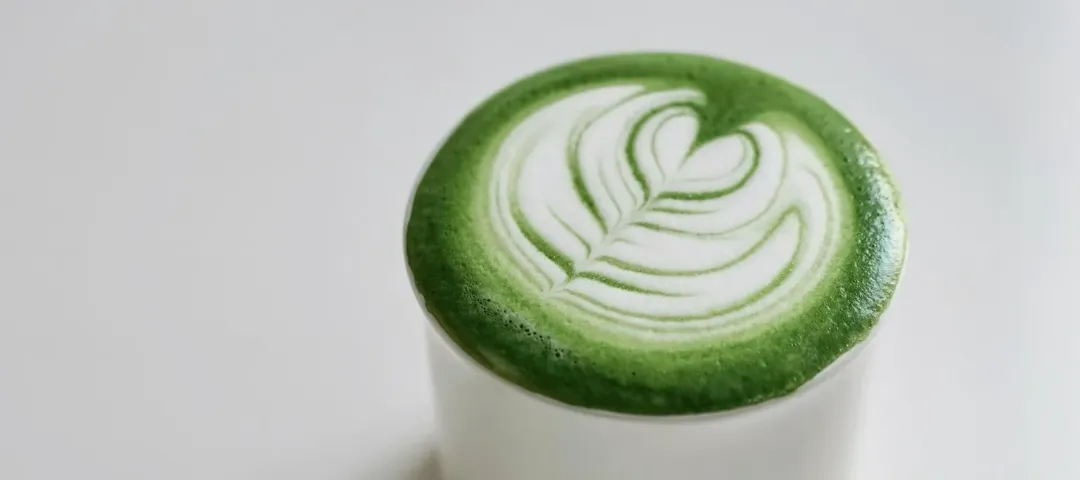
What Makes Matcha Special?
-
Higher Antioxidant Intake: Because you consume the whole leaf, you get a massive dose of catechins (like EGCG) that help fight oxidative stress.
-
Gentle, Long-Lasting Energy: Matcha contains L-theanine, an amino acid that works in synergy with caffeine to provide a calm, focused alertness without the jitters or coffee crash.
-
Smooth Taste When Properly Made: High-quality matcha offers a vibrant green color and a naturally sweet, Umami-rich flavor profile.
But Here’s the Truth: Not All Matcha is Healthy
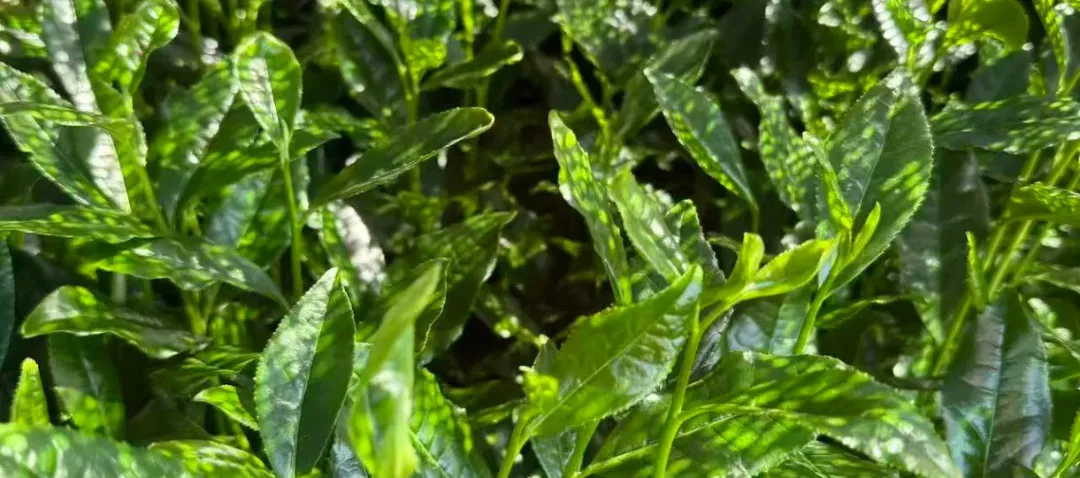
The key thing to realize is that quality matters. Low-grade matcha is often made from older, lower-tier leaves that haven't been properly shade-grown. This results in a powder that can be overly bitter, dull in color, and lacking in beneficial amino acids, making it less suitable for daily pure drinking.
The Takeaway
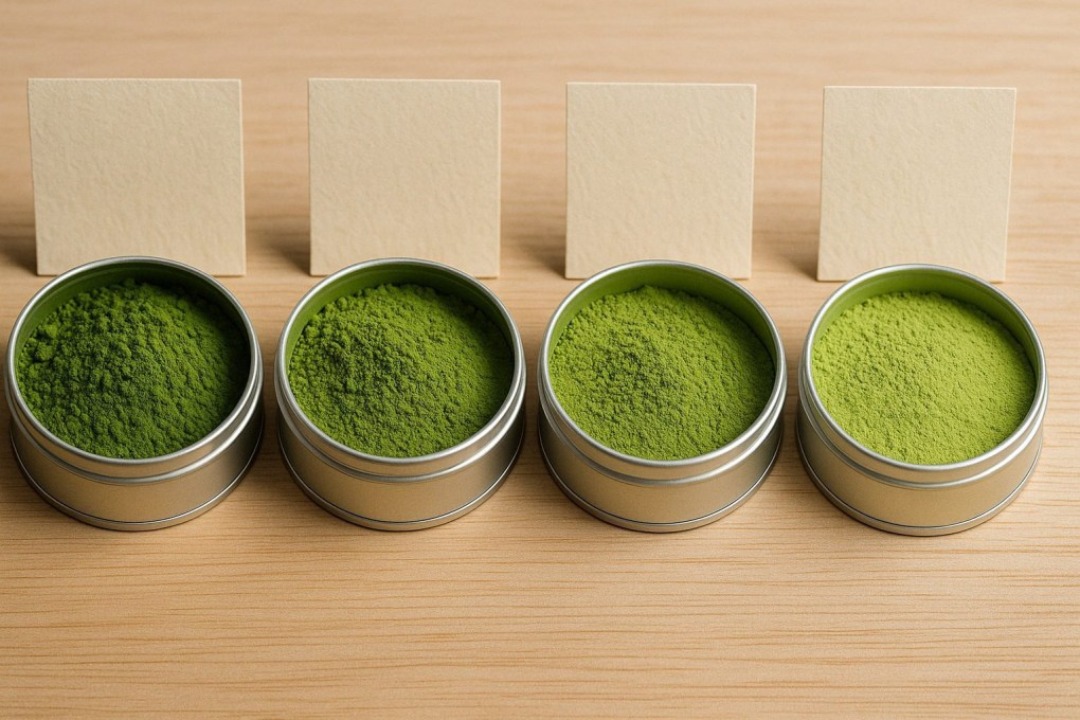
The secret to reaping the true health benefits of matcha isn’t just drinking more of it — it’s drinking the right matcha, in the right way. To elevate your wellness routine, always opt for premium or ceremonial grades, and remember that moderation and ingredient purity are what truly unlock matcha's natural power.