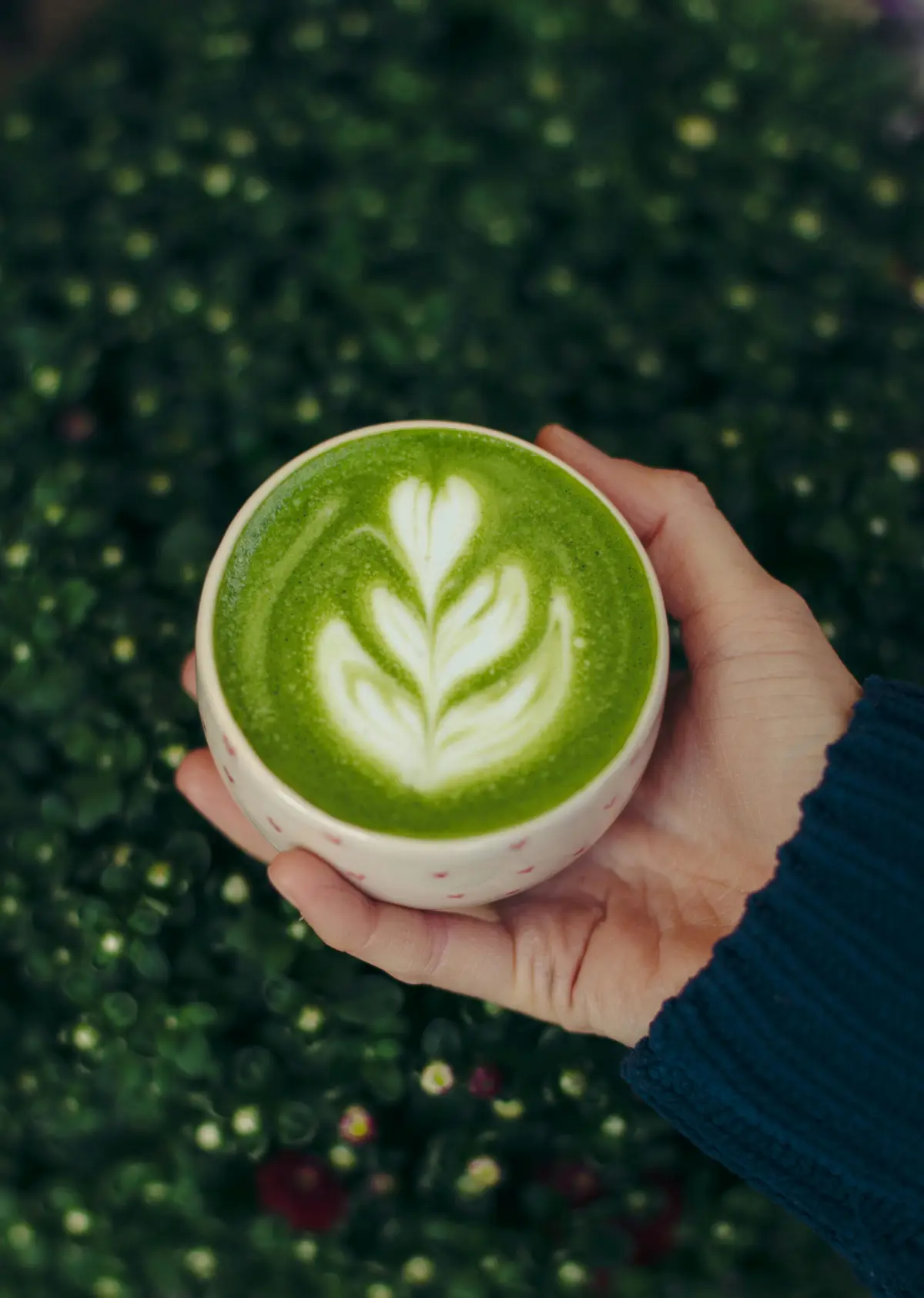
The History of Matcha: From Ancient China to Modern Ritual
Matcha is more than a green tea. It is a tradition, a philosophy, and a way of life that has traveled across centuries and cultures.
Origins in Ancient China
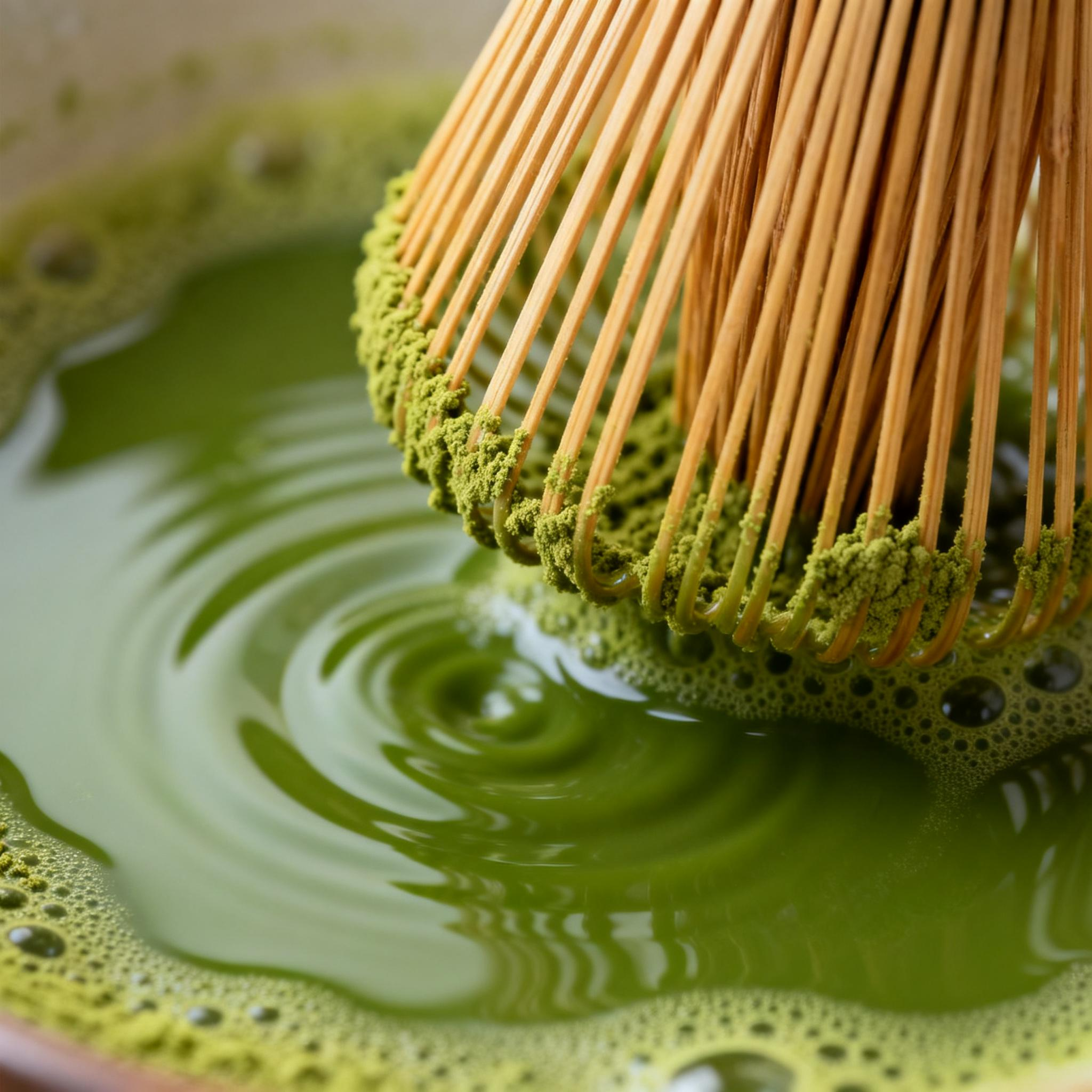
The story of matcha begins over a thousand years ago in China, during the Tang Dynasty (618–907). At that time, tea leaves were steamed, compressed into bricks, and prepared by grinding into powder before being whisked with hot water. This method preserved freshness and allowed tea to be consumed whole — leaf and all.
During the Song Dynasty (960–1279), powdered tea culture reached its peak. Elaborate tea competitions celebrated the color, texture, and foam of whisked tea. However, this tradition would later fade in China as loose-leaf brewing became dominant.
The Journey to Japan
In the late 12th century, a Japanese Zen monk named Eisai traveled to China to study Buddhism. When he returned to Japan, he brought tea seeds and powdered tea preparation methods with him. Eisai believed tea supported both physical health and mental clarity — an idea that deeply resonated with Zen practice.
Unlike in China, powdered tea culture was preserved and refined in Japan. Over time, matcha became inseparable from Zen monasteries, where monks used it to maintain focus during long meditation sessions.
The Birth of the Japanese Tea Ceremony
By the 15th and 16th centuries, matcha evolved beyond monasteries into a highly codified cultural ritual known as Chanoyu, or the Japanese tea ceremony. Under the influence of tea masters such as Sen no Rikyū, matcha became a symbol of simplicity, humility, and mindfulness.
Every aspect of the ceremony — from the handcrafted tea bowl to the silent movements of preparation — reflected core Japanese aesthetics: wabi-sabi, the beauty of imperfection and impermanence.
Matcha was no longer just a beverage. It became an expression of harmony, respect, purity, and tranquility.
From Ceremony to Daily Life
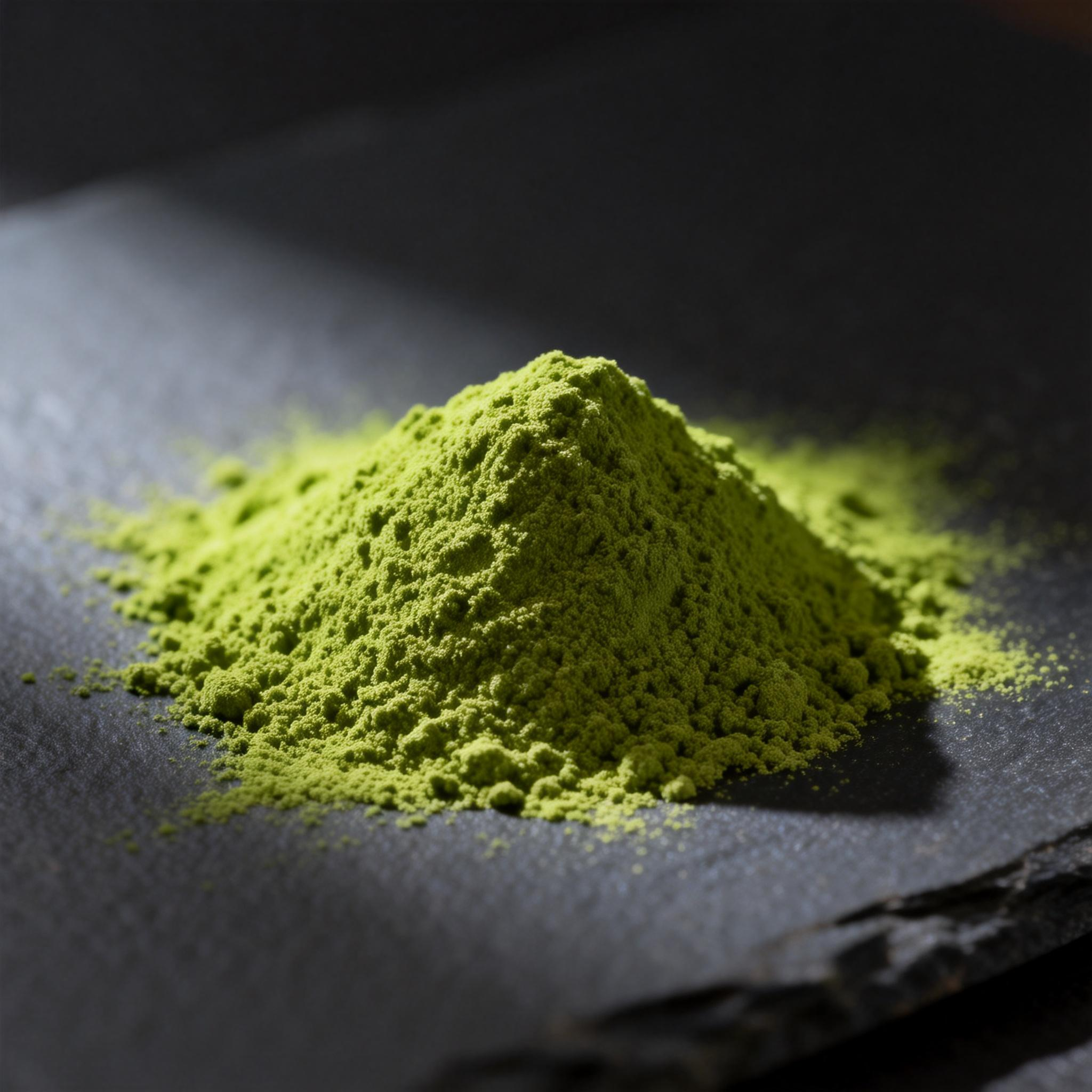
For centuries, high-quality matcha remained rare and ceremonial, reserved for the elite and for spiritual practice. It required meticulous cultivation: shade-growing the tea plants, carefully removing stems and veins, and stone-grinding the leaves into an ultra-fine powder.
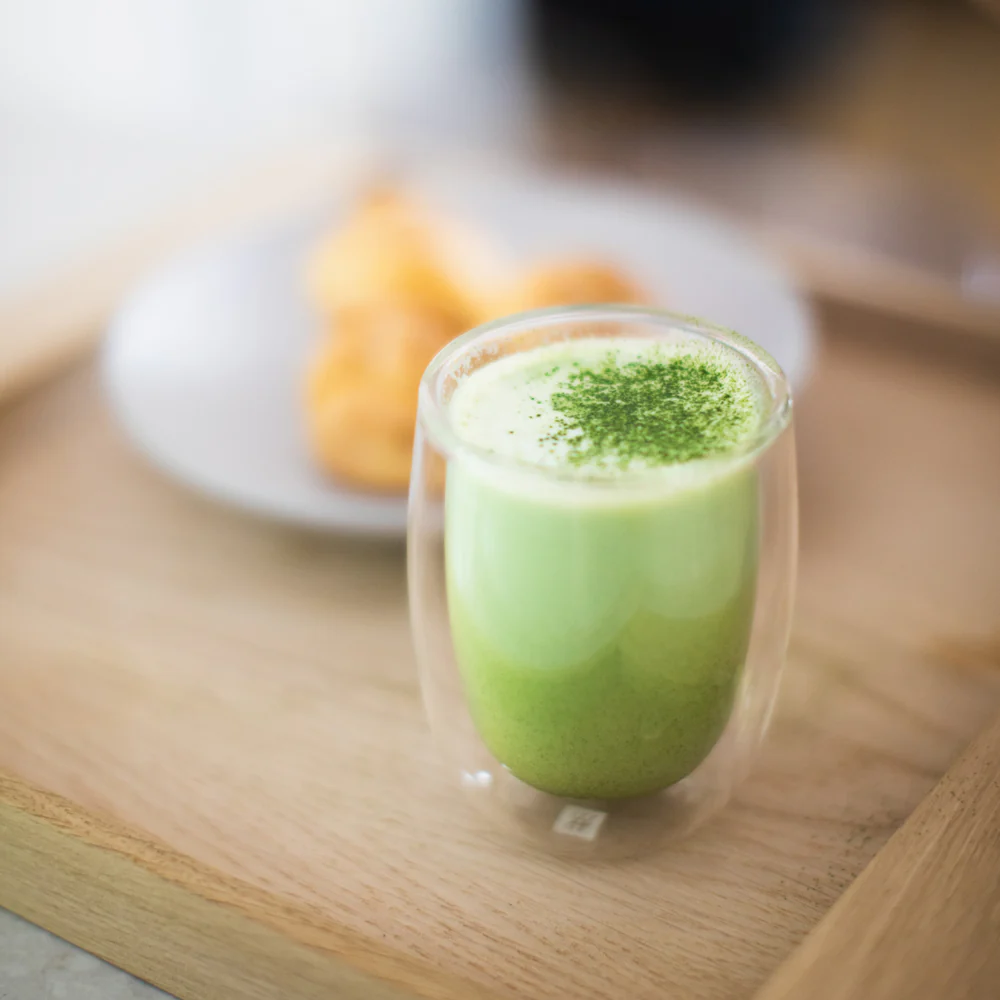
In modern Japan, matcha gradually entered daily life — enjoyed not only as tea, but also in traditional sweets, desserts, and seasonal cuisine.
Matcha in the Modern World
In the 21st century, matcha has experienced a global revival. As interest in wellness, mindfulness, and natural nutrition grows, people around the world are rediscovering what monks understood centuries ago.
Unlike regular green tea, matcha allows you to consume the entire tea leaf. This means higher concentrations of antioxidants, naturally occurring caffeine balanced by L-theanine, and a calm, sustained energy — without the crash.
Today, matcha appears in cafés, kitchens, and wellness routines across the globe. Yet at its core, true matcha remains deeply connected to its origins: patience, precision, and respect for nature.
A Tradition That Continues
From ancient Chinese tea rooms to Japanese Zen temples, and now to modern life worldwide, matcha has never been just a trend. It is a living tradition — one that invites us to slow down, be present, and reconnect with something timeless.
In every bowl of authentic matcha, history is still being whisked into the present.