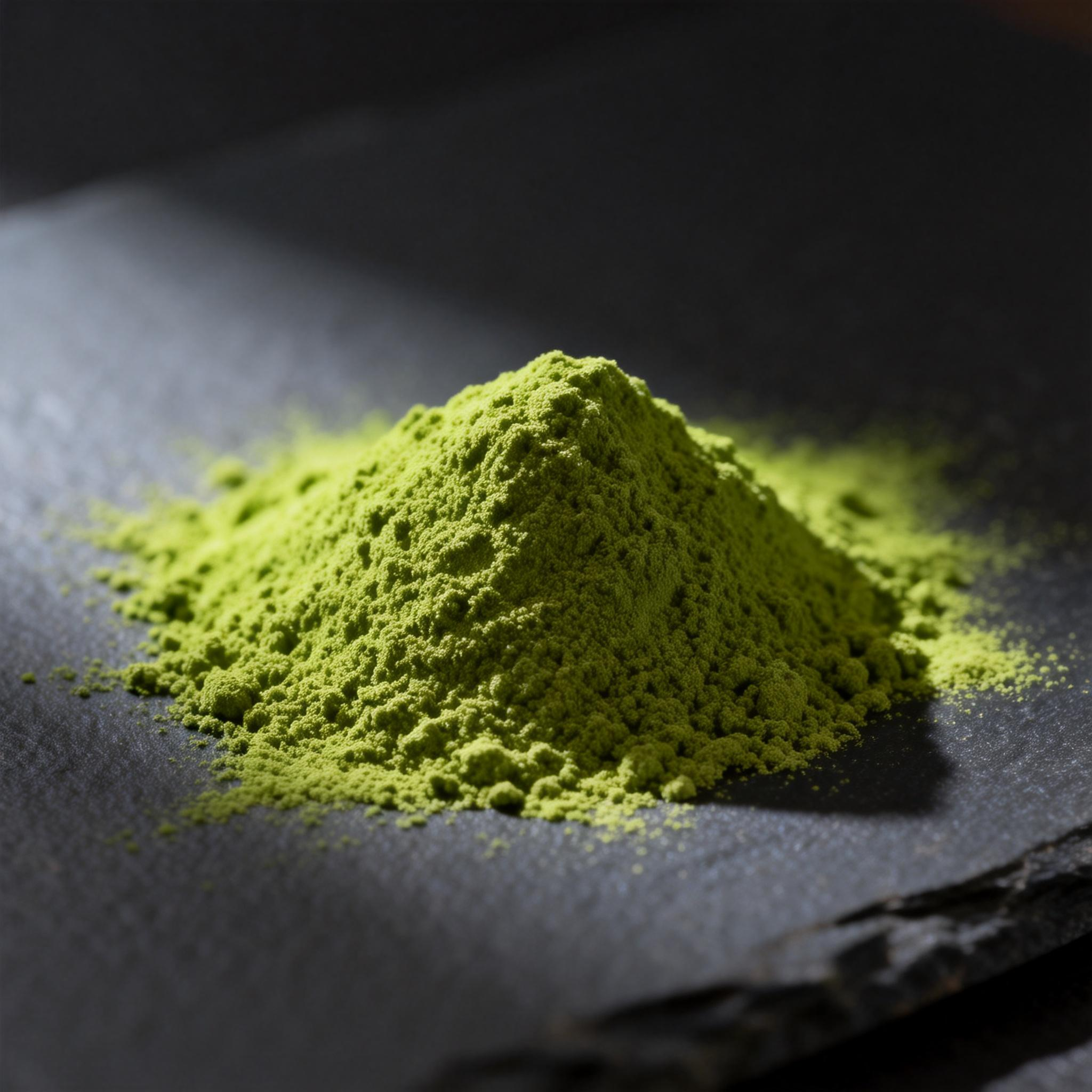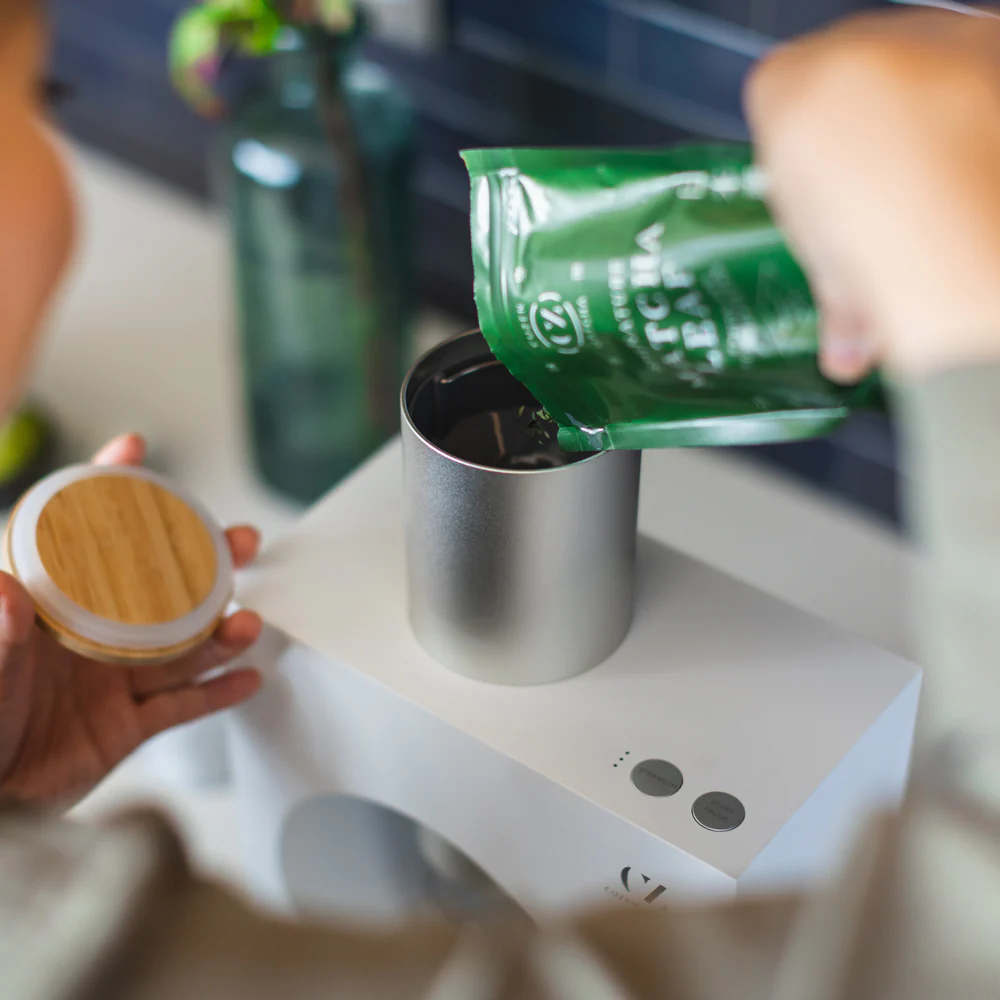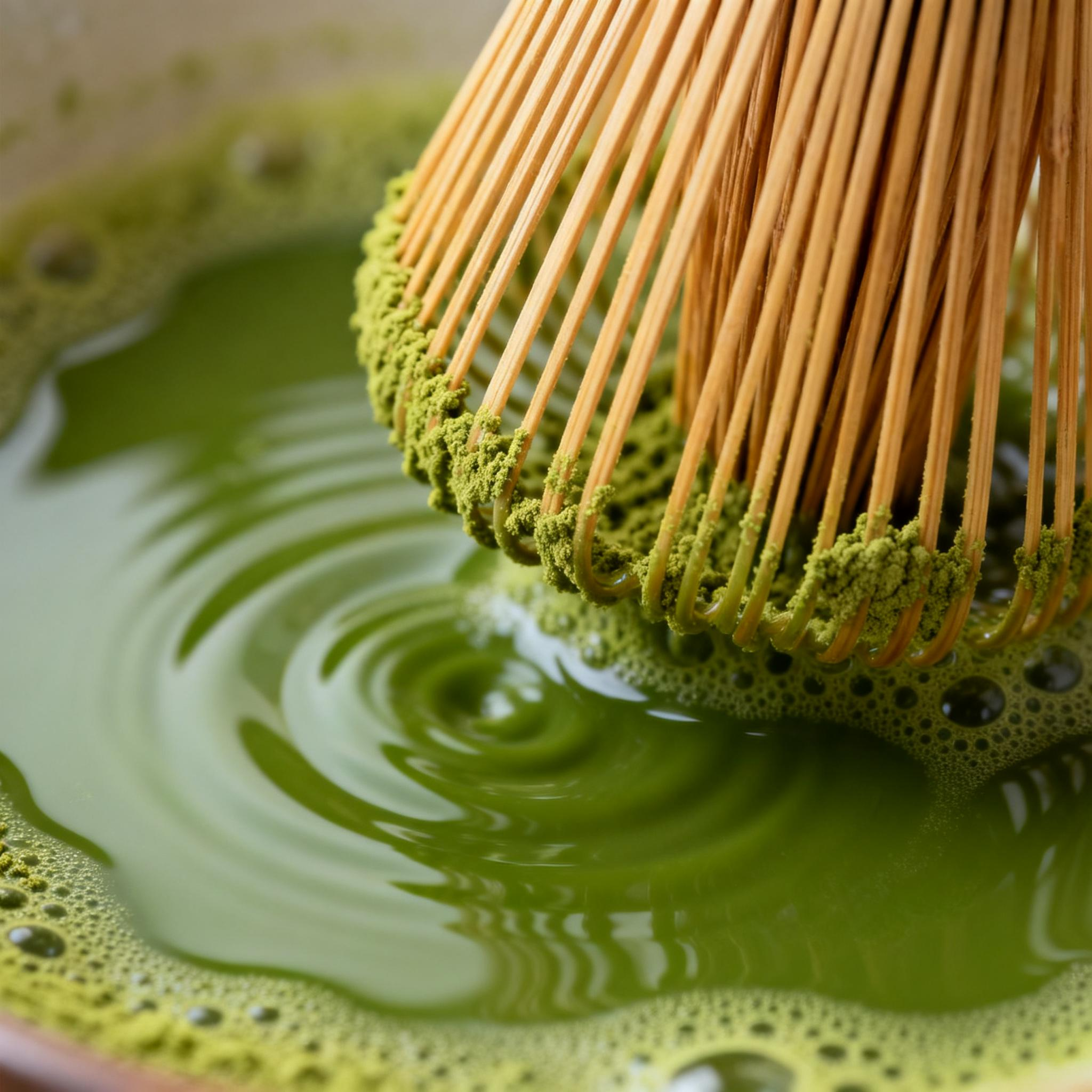
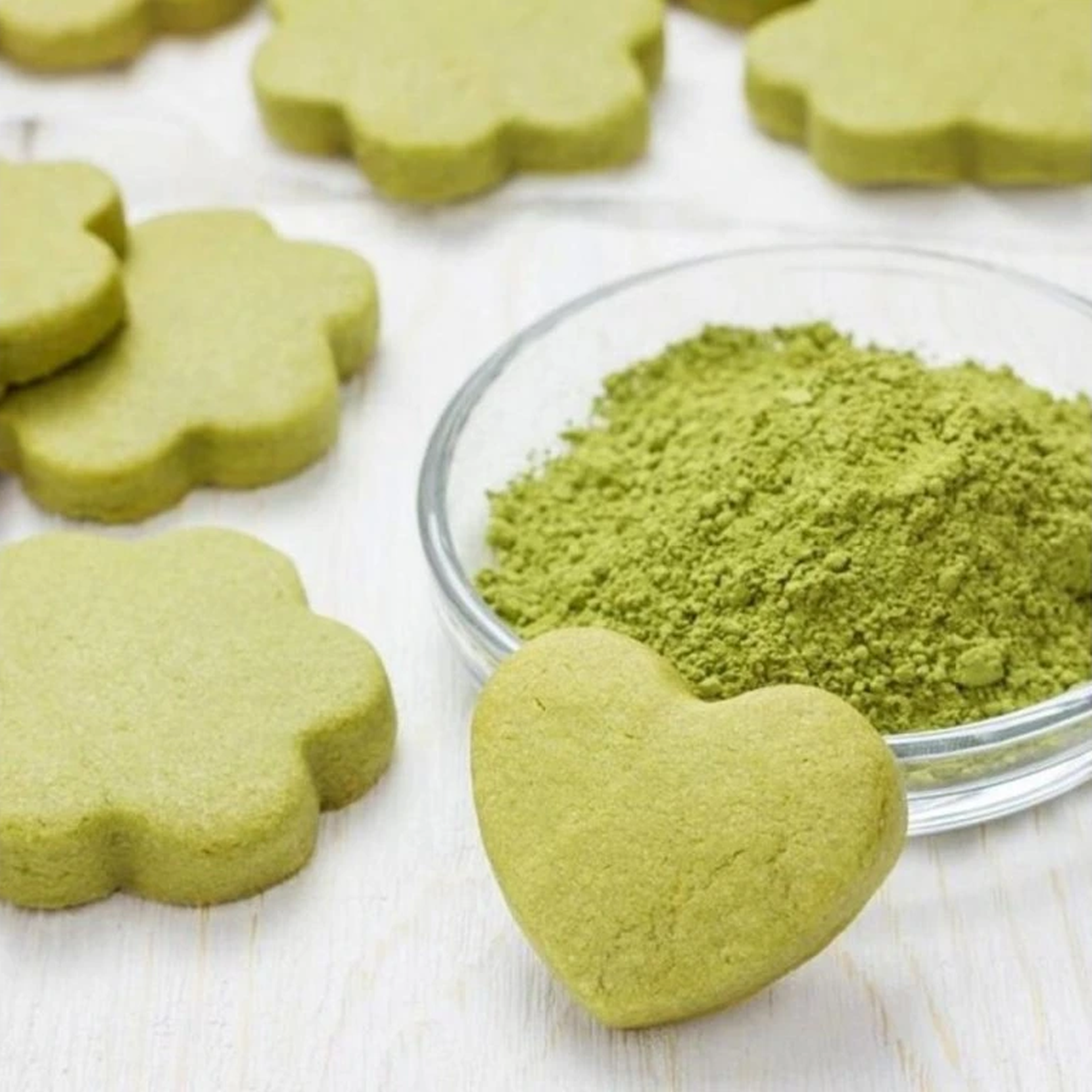
Matcha is no longer limited to traditional tea. Today, it has become a versatile ingredient used by modern brands across beverages, desserts, and innovative food products.
With its natural color, unique flavor, and growing global demand, matcha offers endless opportunities for product development and brand differentiation.
☕ 1. Matcha in Beverages
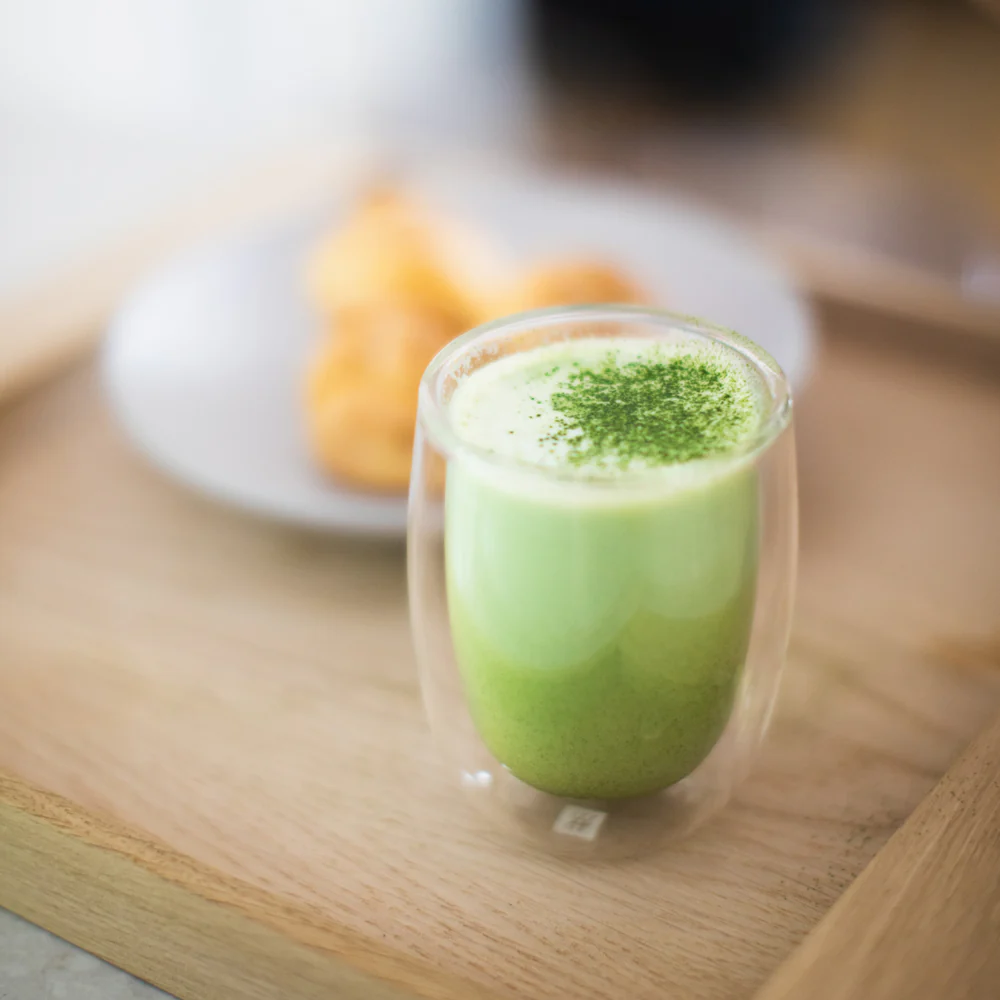
One of the most popular applications of matcha is in drinks. Its vibrant green color and smooth taste make it a favorite among cafés and beverage brands.
Common Applications:
- Matcha Latte
- Iced Matcha
- Matcha Coconut Coffee
- Bubble Tea
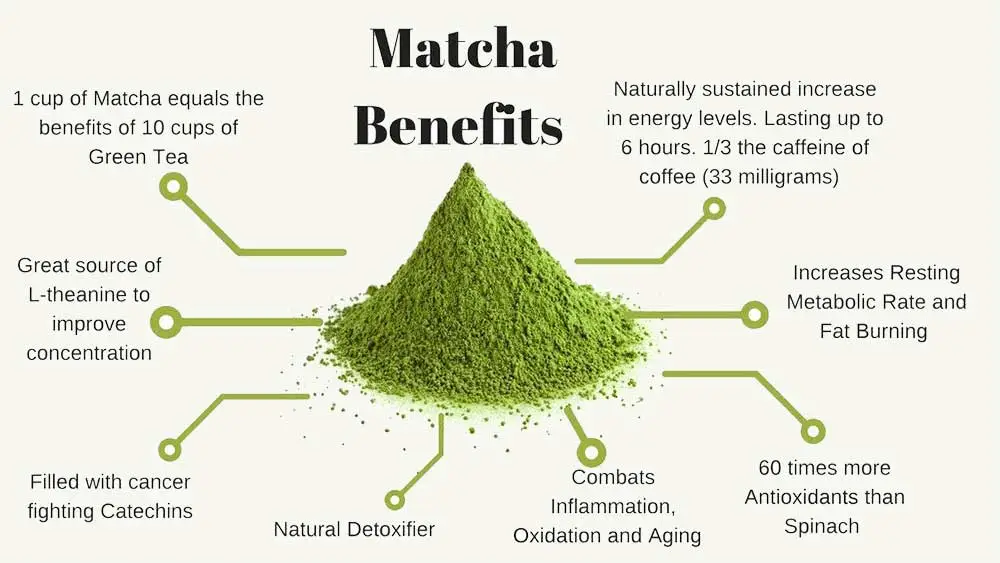
Matcha based drinks are not only visually appealing but also align with the growing demand for healthier alternatives.
 🍰 2. Matcha in Desserts and Baking
Matcha is widely used in desserts due to its strong flavor and natural coloring properties. It enhances both the taste and appearance of food products.
Popular Uses:
- Matcha Cakes
- Cookies and Pastries
- Ice Cream
- Chocolates
For food brands, matcha provides a unique selling point and helps create premium product lines.
🧃 3. Ready to Drink and Packaged Products
Modern consumers are looking for convenience. Matcha is increasingly used in ready to drink (RTD) beverages and packaged foods.
Examples:
- Bottled Matcha Drinks
- Matcha Milk Beverages
- Instant Matcha Mixes
These products are ideal for retail markets and offer strong growth potential for brands.
🌍 4. Innovation and Product Trends
Matcha continues to evolve beyond traditional uses. Many brands are exploring new ways to incorporate it into their products.
Emerging Trends:
- Matcha protein drinks
- Matcha snacks and energy bars
- Fusion beverages combining matcha with coffee or fruit
This flexibility makes matcha an excellent ingredient for innovation and market expansion.
🚀 Final Thoughts
Matcha is more than just a tea ingredient. It is a powerful tool for modern brands to create visually appealing, healthy, and innovative products.
By exploring different applications, businesses can unlock new opportunities and stand out in competitive markets.
📞 Call to Action
Looking to develop your own matcha products
Contact us for tailored solutions and bulk supply