
Matcha has become one of the world's most popular superfoods. You'll find it in cafés, smoothie bars, bakeries, and health food stores. But despite its popularity, many people still ask the same question:
What is matcha?
Is it simply powdered green tea? Why is it bright green? Does it contain caffeine? Is it healthier than regular green tea?
In this guide, we'll answer all of these questions and explain everything beginners need to know about matcha. You'll learn how matcha is made, why it is different from ordinary green tea, what health benefits it offers, and how to choose high-quality matcha for your daily routine.
Whether you're looking for your first cup of matcha or sourcing premium matcha for your business, this guide will help you make informed decisions.
What Is Matcha?
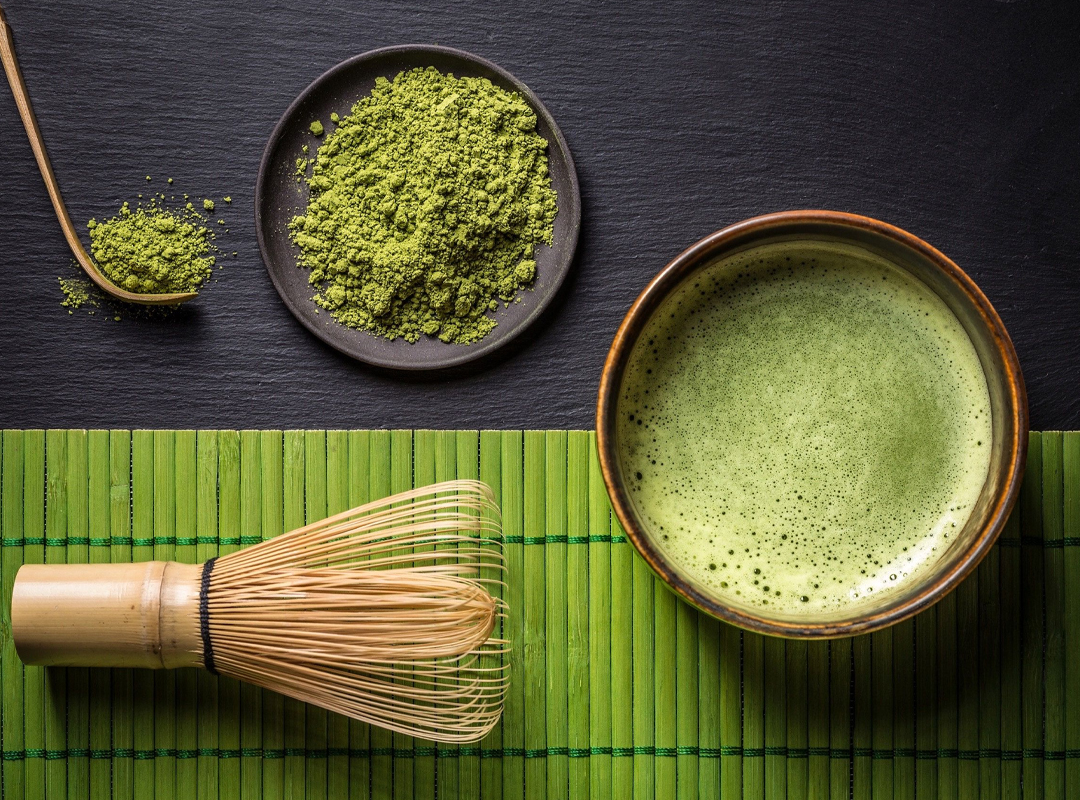
At its simplest, matcha is a finely ground powder made from specially grown green tea leaves.
Unlike traditional green tea, where the leaves are steeped in hot water and then discarded, matcha allows you to consume the entire tea leaf. Because the whole leaf is ingested, matcha naturally provides a higher concentration of nutrients, antioxidants, vitamins, and plant compounds.
Today, matcha is enjoyed worldwide in many forms, including:
- Traditional tea
- Matcha lattes
- Smoothies
- Ice cream
- Cakes
- Cookies
- Chocolates
- Protein drinks
- Functional beverages
Its rich green color, smooth taste, and natural health benefits have made it one of the fastest-growing tea products in the global market.
Why Is Matcha Different from Regular Green Tea?
Many beginners assume matcha is simply green tea in powder form. While both come from the same plant Camellia sinensis they are grown and processed very differently.
Here are the key differences:
| Matcha | Regular Green Tea |
|---|---|
| Whole leaf is consumed | Leaves are steeped and discarded |
| Shade-grown before harvest | Usually grown in full sunlight |
| Stone-ground into fine powder | Rolled and dried as loose leaves |
| Rich, creamy texture | Light and refreshing |
| Higher concentration of antioxidants | Lower concentration |
| Naturally vibrant green | Yellow-green infusion |
Because matcha uses the entire leaf, it delivers more naturally occurring compounds such as:
- Catechins
- L-theanine
- Chlorophyll
- Vitamins
- Minerals
- Amino acids
This unique production process is one reason matcha has earned a reputation as a premium tea.
Where Does Matcha Come From?
Although powdered tea has historical roots in China, modern matcha culture was developed and refined in Japan over hundreds of years.
Today, Japan remains the world's leading producer of ceremonial-grade matcha, with famous growing regions including:
- Uji (Kyoto)
- Nishio (Aichi)
- Shizuoka
- Kagoshima
Each region has its own climate, soil, and cultivation techniques, giving the finished matcha unique flavor characteristics.
In recent years, high-quality matcha has also been cultivated in selected regions outside Japan. For example, some producers focus on nutrient-rich growing environments and specialized farming methods to create premium green tea powders for global markets.
At Sevalley Matcha, careful cultivation practices, strict quality control, and modern processing techniques are used to produce matcha suitable for cafés, food manufacturers, distributors, and private-label brands around the world.
How Is Matcha Made?
One reason authentic matcha is more expensive than ordinary green tea is its labor-intensive production process.
Creating premium matcha requires months of careful preparation.
1. Shade Growing
Approximately three to four weeks before harvest, tea plants are covered with shade nets that reduce direct sunlight.
This process encourages the leaves to produce more chlorophyll and amino acids, giving matcha its:
- vibrant green color
- smooth flavor
- natural sweetness
- rich umami taste
Shade-growing is one of the defining characteristics of authentic matcha production.
2. Hand Selecting Young Leaves
Only the youngest and most tender leaves are harvested for premium matcha.
These leaves contain higher levels of:
- amino acids
- chlorophyll
- antioxidants
Lower-grade products may include older leaves, which tend to have a more bitter taste and duller color.
3. Steaming
Immediately after harvesting, the leaves are steamed to prevent oxidation.
This preserves their:
- fresh aroma
- natural nutrients
- bright green appearance
Unlike black tea, matcha is never fermented.
4. Drying
The steamed leaves are gently dried while maintaining their nutritional quality.
At this stage, the leaves are known as tencha, the raw material used to produce matcha.
5. Removing Stems and Veins
To achieve a smooth texture, stems and veins are carefully removed from the dried leaves.
This step helps create matcha with:
- finer texture
- softer mouthfeel
- cleaner flavor
- reduced bitterness
6. Stone Grinding
The tencha leaves are slowly ground using traditional granite stone mills.
This process is intentionally slow because excessive heat can damage flavor, aroma, and nutrients.
A traditional stone mill typically produces only 30–40 grams of matcha per hour, highlighting the craftsmanship involved in making authentic matcha.
The result is an ultra-fine powder with particles often measuring less than 10 microns, giving high-quality matcha its signature silky texture.
Why Is Matcha So Green?
One of the first things people notice about premium matcha is its vibrant emerald-green color.
This distinctive appearance comes from several factors:
Shade Cultivation
Reduced sunlight encourages the tea plants to produce more chlorophyll, resulting in deeper green leaves.
Young Leaves
The youngest leaves naturally contain higher concentrations of pigments and nutrients than mature leaves.
Minimal Oxidation
Because the leaves are steamed immediately after harvest, oxidation is prevented, preserving their fresh green color.
Proper Storage
Fresh matcha should be stored in airtight containers away from light, heat, and moisture. Exposure to air can cause the powder to lose its bright color over time.
A vivid green color is often one indicator of freshness, although it should be considered alongside aroma, texture, and taste when evaluating quality.