
Best Matcha for Cafes and Restaurants: A Complete Buying Guide
Matcha has become a popular ingredient on cafe and restaurant menus around the world.
From classic matcha lattes to iced drinks, smoothies, desserts, and specialty beverages, matcha can create an attractive menu item and give customers another reason to visit.
But choosing the best matcha for cafes and restaurants is not as simple as buying the most expensive powder.
A cafe needs matcha that works well in its actual menu, fits its target price, performs consistently during daily service, and can be supplied reliably.
So, what is the best matcha for a cafe or restaurant?
The best matcha is the one that matches your menu, preparation method, customer expectations, cost structure, and supply requirements.
This guide explains how cafes and restaurants can choose matcha powder, what to test before buying in bulk, how to calculate cost per serving, and what to look for in a wholesale matcha supplier.
What Is the Best Matcha for Cafes?
There is no single matcha powder that is perfect for every cafe.
The right choice depends on how you plan to use it.
For example, a premium tea shop may want a smooth and refined matcha for direct drinking.
A busy cafe focused on matcha lattes may prioritize:
-
Strong matcha flavor
-
Attractive green color
-
Good mixing performance
-
Consistent quality
-
Reasonable cost per serving
-
Reliable wholesale supply
A restaurant may want one matcha product for beverages and another for desserts.
Therefore, instead of asking only:
ask:
"What matcha performs best for my menu and business model?"
That is the most useful starting point.
Why Matcha Quality Matters for Cafes and Restaurants
Customers can notice differences in a matcha drink.
The appearance, aroma, flavor, texture, and overall balance can all influence the customer experience.
For a cafe serving matcha regularly, consistency is particularly important.
Imagine that a customer orders the same matcha latte every week.
They expect a familiar:
-
Color
-
Flavor
-
Sweetness
-
Texture
-
Aroma
-
Overall drinking experience
If the matcha changes significantly from one batch to another, customers may notice.
For this reason, cafes should evaluate both initial product quality and repeat-order consistency.
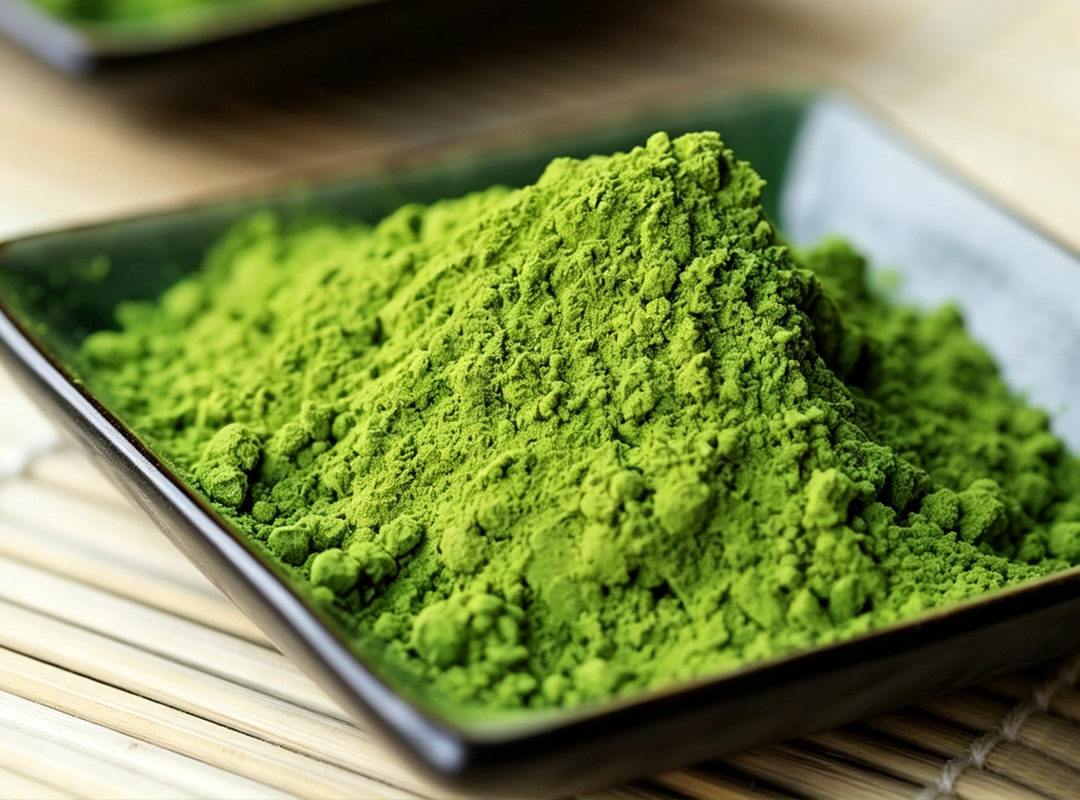
8 Factors to Consider When Buying Matcha for a Cafe
When choosing commercial matcha, consider these eight factors:
-
Flavor
-
Color
-
Aroma
-
Texture
-
Mixing performance
-
Cost per serving
-
Batch consistency
-
Supplier reliability
Let's examine each one.
1. Matcha Flavor
Flavor is one of the most important factors.
However, the ideal flavor depends on the drink.
For a traditional matcha beverage, you may want a more nuanced and balanced flavor profile.
For a matcha latte, the matcha needs to remain noticeable after being combined with milk or a plant-based alternative.
A cafe should therefore test the matcha in its actual recipe.
Pay attention to:
-
Matcha intensity
-
Bitterness
-
Astringency
-
Sweetness
-
Umami
-
Aftertaste
-
Overall balance
There is no universal flavor profile that every cafe should choose.
The right profile depends on your customers and menu positioning.
2. Green Color
Color is another important consideration for cafe beverages.
A visually appealing matcha drink can be especially useful for menus and social media.
However, businesses should not evaluate quality based on color alone.
A strong green appearance should be considered together with:
-
Flavor
-
Aroma
-
Texture
-
Application performance
-
Product specifications
-
Consistency
If your cafe sells matcha lattes, prepare the actual drink and evaluate the final color.
Do not judge the powder only by looking at it in the package.
3. Aroma
Aroma contributes to the overall drinking experience.
When evaluating a new matcha supplier, open the sample and assess the aroma before preparing it.
Then prepare your normal recipe and evaluate the finished drink.
Ask:
-
Is the aroma pleasant?
-
Is the matcha character noticeable?
-
Does the aroma work with milk?
-
Does it fit the style of your menu?
A cafe targeting premium customers may place more emphasis on aroma than a high-volume food-service operation.
4. Texture
Texture can affect the quality of a matcha beverage.
Matcha is a fine powder, so preparation technique and equipment can influence the final result.
When testing a commercial matcha powder, check:
-
How easily it disperses
-
Whether it forms excessive clumps
-
How smooth the finished drink is
-
Whether it works with your preparation process
For cafes making dozens or hundreds of drinks every day, ease of preparation matters.
A product that requires significantly more preparation time may affect labor efficiency.
5. Mixing Performance
A matcha powder must work with the way your cafe prepares drinks.
Different cafes may use:
-
Hand whisks
-
Electric whisks
-
Shakers
-
Blenders
-
Commercial beverage equipment
Your testing should match your actual workflow.
For example, if your cafe uses a shaker to prepare iced matcha, test the product using the same shaker.
If you use a whisk and water before adding milk, follow the same process.
This gives you a much more realistic evaluation.
6. Cost Per Serving
Price per kilogram is useful, but cost per serving is often more meaningful for cafes.
Consider a simple example.
Suppose your matcha costs $50 per kilogram.
Your standard drink uses 2 grams.
The matcha ingredient cost is:
$50 ÷ 1,000 × 2 = $0.10
So the matcha itself costs approximately $0.10 per drink.
If another product costs $70 per kilogram but only requires 1.5 grams for the same flavor intensity:
$70 ÷ 1,000 × 1.5 = $0.105
The difference in actual serving cost is very small.
This is why cafes should evaluate cost per serving and recipe performance, not just the wholesale price per kilogram.
How Much Matcha Does a Cafe Need?
Your matcha requirement depends on daily sales and recipe dosage.
A simple formula is:
Monthly Matcha Requirement = Daily Matcha Drinks × Matcha Per Drink × Operating Days
For example:
-
100 matcha drinks per day
-
2 grams per drink
-
26 operating days per month
The monthly requirement would be:
100 × 2 × 26 = 5,200 grams
That equals approximately 5.2 kg per month.
You should also consider:
-
Product testing
-
Staff training
-
Recipe development
-
Waste
-
Seasonal demand
-
Promotional campaigns
-
Expected sales growth
A cafe expecting rapid growth may need to plan its purchasing volume accordingly.
What Type of Matcha Is Best for Matcha Lattes?
For matcha lattes, the ideal product depends on your recipe and target price.
A latte combines matcha with another liquid, usually milk or a plant-based alternative.
The matcha therefore needs to maintain enough flavor and color to remain noticeable in the finished drink.
When testing matcha for lattes, evaluate:
Flavor Strength
Does the matcha remain noticeable after adding milk?
Color
Does the finished latte have the appearance you want?
Balance
Is the flavor too bitter, too weak, or balanced?
Texture
Does the matcha integrate smoothly into the drink?
Cost
Can the product support your target menu price and margin?
Consistency
Can the same characteristics be maintained across repeat orders?
These factors are more useful than simply choosing a product based on a grade label.
Should Cafes Use Ceremonial or Culinary Matcha?
This is a common question.
The answer depends on the application.
Ceremonial Matcha
Ceremonial matcha is generally associated with direct drinking and premium tea preparation.
It may be appropriate for:
-
Premium matcha drinks
-
Traditional-style preparation
-
Specialty tea menus
-
Customers who focus heavily on matcha flavor
Culinary Matcha
Culinary matcha is generally used as an ingredient.
It can be suitable for:
-
Baking
-
Desserts
-
Ice cream
-
Smoothies
-
Food products
However, cafes should avoid choosing products solely based on the words "ceremonial" or "culinary."
The most important question is:
How does the matcha perform in your specific application?
For example, a cafe may use one matcha product for premium whisked tea and another for high-volume lattes or desserts.
This can be a practical way to balance product quality and menu economics.
Matcha for Restaurants: What Should You Consider?
Restaurants may use matcha differently from cafes.
Matcha can appear in:
-
Drinks
-
Desserts
-
Pastries
-
Ice cream
-
Sauces
-
Seasonal menu items
If matcha is used in multiple applications, restaurants may need more than one product.
For example:
Product A: Premium matcha for direct drinking
Product B: Commercial matcha for lattes
Product C: Culinary matcha for desserts
This approach allows the business to select products based on the requirements of each menu item.
It may also help control ingredient costs.
Should a Cafe Buy Matcha in Bulk?
For cafes with regular matcha sales, bulk purchasing can make sense.
Buying wholesale or bulk matcha may offer:
-
Lower cost per gram
-
More predictable supply
-
Easier inventory planning
-
Consistent product specifications
-
Better purchasing efficiency
However, buying a very large quantity is not automatically better.
Consider:
-
Monthly consumption
-
Storage capacity
-
Shelf-life considerations
-
Cash flow
-
Supplier lead time
-
Expected sales growth
The goal is to find a purchasing quantity that balances price and inventory efficiency.
How to Choose a Matcha Wholesale Supplier for Your Cafe
The supplier can be just as important as the product.
When comparing matcha wholesale suppliers, ask the following questions.
Can They Provide Samples?
Always test a product before making a large purchase whenever possible.
Can They Maintain Consistency?
Ask how they control product specifications and batch consistency.
What Is the MOQ?
Make sure the MOQ fits your purchasing volume.
What Is the Lead Time?
Understand how long regular orders take to produce and ship.
Can They Support Growth?
If your cafe becomes more successful, can the supplier support higher order volumes?
Is Documentation Available?
Depending on your business and market, you may need product specifications and relevant quality or testing documentation.
Can They Offer Different Products?
A supplier with multiple application options may be more useful if your menu includes drinks and desserts.
Why Sample Testing Is Essential
One of the biggest mistakes a cafe can make is choosing matcha from a product description alone.
A sample should be tested in the actual menu.
For example, if you are buying matcha for lattes:
-
Prepare the matcha using your normal method.
-
Use your standard dosage.
-
Add your normal milk.
-
Follow your normal sweetener recipe.
-
Taste the finished drink.
-
Compare it with your current product.
-
Calculate the cost per serving.
Repeat the test several times if necessary.
You can also ask several staff members to taste the samples.
This provides a more objective evaluation.
A Simple Matcha Testing Scorecard for Cafes
Cafes can create a basic scorecard when comparing suppliers.
| Factor | Score 1–5 |
|---|---|
| Flavor | /5 |
| Color | /5 |
| Aroma | /5 |
| Texture | /5 |
| Mixing performance | /5 |
| Latte performance | /5 |
| Cost per serving | /5 |
| Batch consistency | /5 |
| MOQ | /5 |
| Lead time | /5 |
| Documentation | /5 |
| Supplier communication | /5 |
This approach is useful because it prevents one factor—usually price—from dominating the entire purchasing decision.
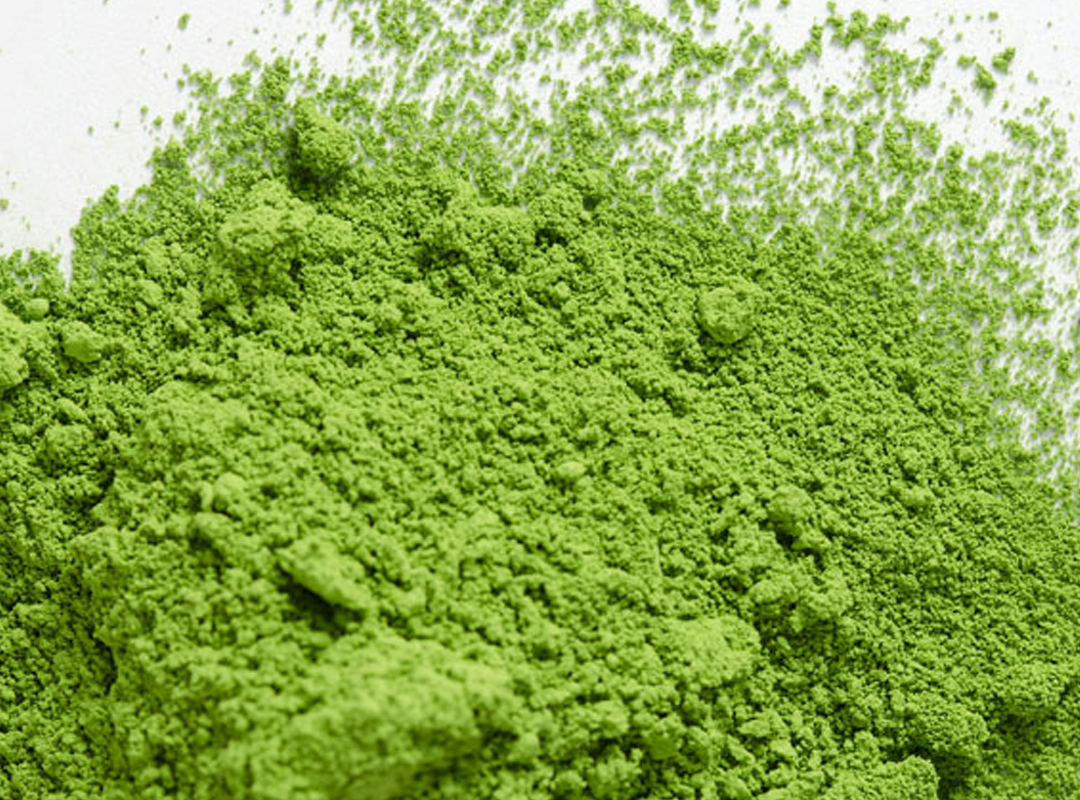
How to Calculate the Real Cost of Wholesale Matcha
The product price is only one part of your cost.
Your actual cost may include:
Product cost + packaging + shipping + import costs + handling + waste
For international purchasing, this is particularly important.
A supplier with a lower product price may not have the lowest final landed cost.
For example:
Supplier A:
-
Lower matcha price
-
Higher shipping cost
-
Large MOQ
Supplier B:
-
Slightly higher matcha price
-
Lower shipping cost
-
More flexible MOQ
Supplier B may be the better commercial choice.
Always compare the complete purchasing cost.
How to Maintain Consistent Matcha Drinks
Once a cafe chooses its matcha, consistency should become part of daily operations.
Create a standard recipe.
Record:
-
Matcha dosage
-
Water quantity
-
Milk quantity
-
Sweetener quantity
-
Preparation time
-
Mixing method
-
Serving size
Then train staff to follow the same process.
For example:
2 g matcha + 30 ml water + 200 ml milk
The exact recipe will depend on your menu.
The important principle is standardization.
Even a high-quality matcha can produce inconsistent drinks if different employees use different amounts or preparation methods.
Matcha Inventory Management for Cafes
Inventory management becomes more important as matcha sales increase.
Track:
-
Opening inventory
-
Weekly usage
-
Monthly usage
-
New deliveries
-
Waste
-
Product development usage
-
Seasonal demand
This information can help you forecast future purchases.
For example, if your cafe normally uses 5 kg per month but expects matcha drink sales to increase by 30%, your purchasing plan should reflect that change.
Good inventory planning also reduces the risk of emergency purchasing.
Common Mistakes When Buying Matcha for Cafes
1. Choosing the Most Expensive Matcha
Premium pricing does not automatically mean the product is the best fit for your menu.
2. Choosing the Cheapest Matcha
Low price can become expensive if you need more powder per serving or if customers dislike the final drink.
3. Buying Without Testing
Always test the actual recipe.
4. Ignoring Staff Workflow
A product that performs well in a laboratory-style test may not be convenient during busy cafe hours.
5. Ignoring Batch Consistency
A good first shipment is not enough.
Repeat-order consistency matters.
6. Buying Too Much
Excess inventory can tie up cash and create storage challenges.
7. Using One Product for Everything
A cafe may benefit from different matcha products for premium tea, lattes, and desserts.
Matcha for Cafe Chains
Cafe chains have additional requirements.
If a brand has multiple locations, product consistency becomes even more important.
The same matcha may need to be used across:
-
Different stores
-
Different cities
-
Different staff teams
-
Different shifts
A chain may therefore need:
-
Standardized product specifications
-
Standardized recipes
-
Consistent supply
-
Clear storage procedures
-
Staff training
-
Reliable replenishment
For growing cafe brands, supplier selection should be part of long-term operations planning.
Matcha for New Cafes
New cafes often face a different challenge.
They may not know exactly how much matcha they will sell.
In this situation, avoid committing to unnecessarily large quantities before demand is proven.
A practical approach is:
Start with samples → finalize the recipe → estimate demand → place a manageable wholesale order → monitor sales → adjust purchasing.
As demand becomes more predictable, the cafe can negotiate larger quantities or longer-term supply arrangements.
Can Cafes Buy Private-Label Matcha?
Yes.
Private-label matcha can be an option for cafes that want to build their own branded retail products.
For example, a cafe could sell:
-
Branded matcha powder
-
Matcha gift sets
-
Retail tins
-
Matcha drink mixes
-
Subscription products
The cafe can use its existing brand recognition to create an additional revenue stream.
Depending on the supplier, private-label services may include:
-
Matcha sourcing
-
Product selection
-
Custom packaging
-
Labeling
-
Product specifications
-
OEM production
MOQ and customization options vary by supplier, so these should be discussed before starting the project.
What Should a Cafe Ask a Matcha Supplier?
Before placing an order, ask:
Product Questions
-
Which matcha is recommended for lattes?
-
Which product is suitable for direct drinking?
-
Which matcha is suitable for baking?
-
Can we receive samples?
-
What are the product specifications?
Quality Questions
-
How is product quality controlled?
-
How is batch consistency managed?
-
What testing documentation is available?
-
What storage conditions are recommended?
Commercial Questions
-
What is the MOQ?
-
What is the wholesale price?
-
What is the lead time?
-
What are the available package sizes?
-
Can the supplier support repeat orders?
OEM Questions
-
Is private label available?
-
Can packaging be customized?
-
Can product specifications be customized?
-
What is the MOQ for private-label production?
The answers can help you identify whether a supplier is suitable for a long-term relationship.
Why Sevalley Is a Matcha Option for Cafes and Restaurants
Sevalley Matcha provides matcha solutions for different commercial applications, including beverage and baking applications.
For cafes, this can include matcha intended for:
-
Matcha lattes
-
Milk tea
-
Smoothies
-
Specialty beverages
For restaurants and dessert businesses, matcha can also be used in:
-
Cakes
-
Cookies
-
Desserts
-
Other food applications
Sevalley's product range covers different matcha applications, allowing businesses to evaluate products based on how they will actually be used rather than relying on a single product for every menu item.
For businesses developing their own branded matcha products, Sevalley also provides OEM solutions that can include custom formulations, packaging, and private-label support.
This can be particularly relevant for:
-
Independent cafes
-
Cafe chains
-
Beverage brands
-
Restaurants
-
Dessert companies
-
E-commerce brands
-
Retail businesses
For commercial buyers, the best approach is to discuss the intended application, expected volume, packaging requirements, and target market before selecting the final product.
FAQ
Q: What is the best matcha for cafes?
A: The best matcha depends on the cafe's menu, preparation method, customers, and target cost. Matcha for lattes should be evaluated for flavor, color, texture, mixing performance, consistency, and cost per serving.
Q: What matcha is best for a matcha latte?
A: A good matcha latte product should provide enough flavor and color to remain noticeable after being combined with milk or a plant-based beverage. The final choice should be based on actual recipe testing.
Q: Should cafes use ceremonial matcha for lattes?
A: Not necessarily. Ceremonial matcha may be suitable for premium drinking applications, but cafes should choose products based on the intended recipe, customer expectations, and commercial economics.
Q: Is culinary matcha good for cafes?
A: Culinary matcha can be suitable for baking, desserts, smoothies, and certain beverage applications. The correct choice depends on how the product performs in the specific recipe.
Q: How much matcha does a cafe use per drink?
A: The amount varies by recipe. Many cafe recipes use a small number of grams per drink, but each business should establish its own standard dosage based on flavor, cost, and customer expectations.
Q: Can I buy matcha wholesale for my cafe?
A: Yes. Wholesale purchasing can be useful for cafes with regular matcha demand. Before ordering, compare product quality, MOQ, cost per serving, packaging, lead time, and supplier reliability.
Q: How do I choose a matcha supplier for my restaurant?
A: Start by defining your applications and expected volume. Request samples, test the matcha in your recipes, review quality and documentation, compare commercial terms, and evaluate whether the supplier can support repeat orders.
Q: Can a cafe create its own private-label matcha?
A: Yes. Some matcha suppliers offer OEM and private-label services, allowing cafes and restaurant brands to create branded matcha products for retail sales.
Final Thoughts: Choosing the Best Matcha for Your Cafe
Choosing the best matcha for cafes and restaurants is ultimately about finding the right balance between product quality, customer experience, operational efficiency, and cost.
The most expensive matcha is not automatically the best.
The cheapest matcha is not automatically the most profitable.
The right matcha should:
-
Fit your menu
-
Deliver the flavor your customers expect
-
Perform well in your recipes
-
Be easy for staff to prepare
-
Provide consistent quality
-
Offer reasonable cost per serving
-
Be available through a reliable supply chain
For most cafes, the smartest approach is straightforward:
Define your application → request samples → test your recipes → calculate cost per serving → evaluate suppliers → start with a manageable order → monitor customer response.
As your matcha sales grow, you can then optimize purchasing volume, negotiate wholesale terms, standardize recipes, and explore private-label opportunities.
A good matcha product can become more than another ingredient on your menu.
It can become a signature part of your cafe's product offering and an opportunity for long-term brand growth.