
Matcha Wholesale: What Businesses Need to Know
The global demand for matcha continues to create opportunities for cafes, beverage companies, food manufacturers, retailers, distributors, and e-commerce brands.
But buying matcha for a business is different from buying a small package for personal use.
When purchasing matcha wholesale, businesses need to consider more than the price per kilogram. Product quality, application, MOQ, consistency, packaging, testing, lead time, and supplier reliability can all affect the final cost and customer experience.
So, what should businesses know before buying wholesale matcha?
The short answer is:
Matcha wholesale purchasing should be based on application, quality requirements, order volume, total cost, supply consistency, and long-term supplier capabilities not price alone.
This guide explains how wholesale matcha works, what businesses should consider, how to compare suppliers, and how to build a reliable matcha supply strategy.
What Is Matcha Wholesale?
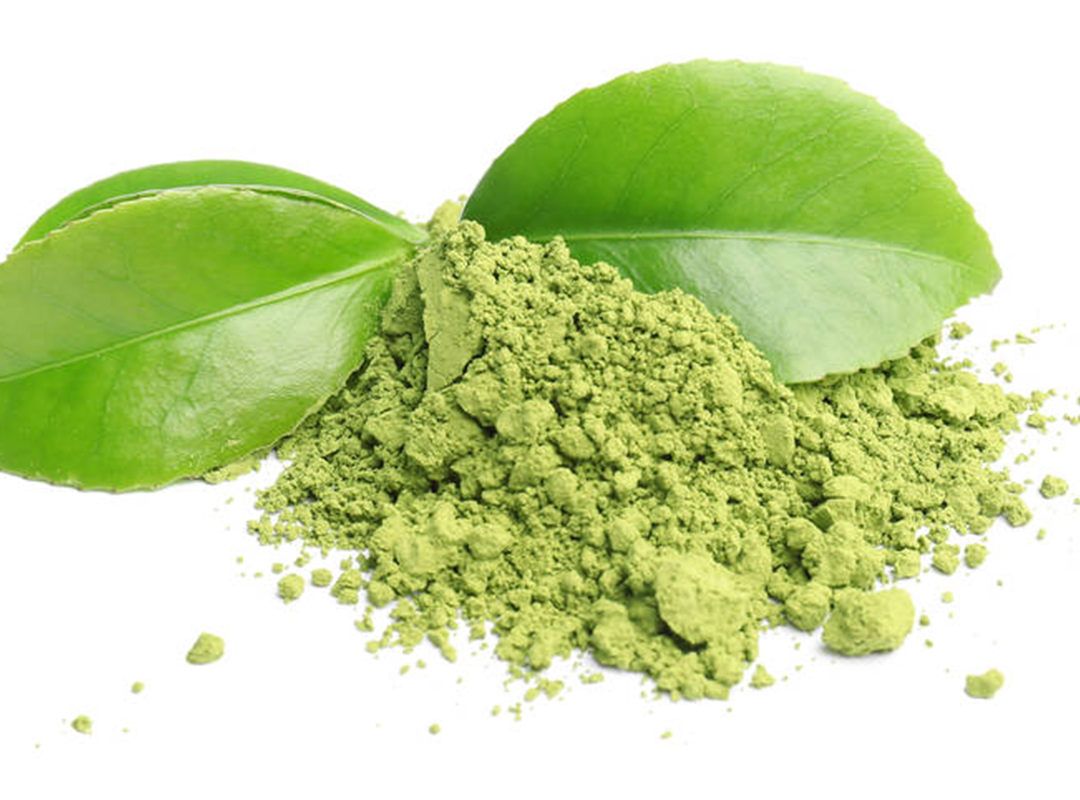
Matcha wholesale means purchasing matcha powder in commercial quantities from a supplier or manufacturer rather than buying small retail packages.
Wholesale buyers may purchase matcha in quantities ranging from several kilograms to much larger commercial volumes, depending on their business model.
Wholesale matcha is commonly purchased by:
-
Cafes
-
Restaurants
-
Tea shops
-
Bakeries
-
Dessert companies
-
Beverage brands
-
Food manufacturers
-
E-commerce brands
-
Retailers
-
Distributors
-
Hotels and hospitality businesses
-
Private-label brands
The exact purchasing requirements can vary significantly between these businesses.
For example, a small cafe may need 10–30 kg of matcha per month, while a beverage manufacturer may require much larger quantities.
Therefore, wholesale purchasing should always begin with a clear understanding of your business requirements.
Why Do Businesses Buy Matcha Wholesale?
There are several reasons businesses choose wholesale matcha powder instead of retail products.
1. Lower Cost Per Gram
Buying larger quantities can reduce the cost per gram compared with small retail packaging.
This can improve margins for businesses that use matcha regularly.
For example, a cafe serving hundreds of matcha drinks each month can usually benefit from purchasing commercial quantities instead of repeatedly buying small consumer packages.
However, businesses should compare the total purchasing cost, not just the advertised wholesale price.
Shipping, packaging, MOQ, storage, and import-related costs may also affect your actual cost.
2. More Consistent Supply
Regular wholesale purchasing can make inventory planning easier.
Instead of purchasing different retail products from different sources, a business can work with one supplier and establish a consistent product specification.
This is particularly useful for:
-
Cafe chains
-
Beverage brands
-
Food manufacturers
-
Private-label brands
When the same matcha specification is used repeatedly, it becomes easier to maintain a consistent product experience.
3. Better Production Planning
Wholesale purchasing also supports production planning.
If you know approximately how much matcha your business uses each month, you can estimate future purchasing requirements and communicate them with your supplier.
This can help reduce the risk of unexpected stock shortages.
For larger businesses, long-term supply planning can be especially important.
4. Custom Packaging and Private Label
Some wholesale matcha suppliers also provide OEM and private-label services.
This allows businesses to purchase matcha while developing their own branded products.
Depending on the supplier, customization may include:
-
Product formulation
-
Packaging
-
Label design coordination
-
Package sizes
-
Private labeling
-
Product specifications
This can be useful for e-commerce brands, retailers, cafes, and companies launching their own matcha products.
Who Should Buy Matcha Wholesale?
Wholesale matcha is suitable for many different types of businesses.
However, the right matcha product can be different for each application.
Cafes and Restaurants
Cafes are one of the most common commercial users of matcha.
Matcha can be used for:
-
Matcha lattes
-
Iced matcha
-
Smoothies
-
Matcha tea
-
Matcha desserts
-
Seasonal beverages
For cafes, important factors usually include:
-
Flavor
-
Color
-
Mixing performance
-
Cost per serving
-
Consistency
-
Ease of storage
-
Reliable supply
A cafe does not necessarily need the same matcha used for a premium traditional tea product.
The right choice depends on the menu and customer expectations.
Bakeries and Dessert Companies
Bakeries may use matcha in:
-
Cakes
-
Cookies
-
Cheesecakes
-
Creams
-
Ice cream
-
Pastries
-
Chocolate products
-
Dessert fillings
For these applications, businesses may prioritize strong flavor, suitable color, processing performance, and cost efficiency.
A matcha powder that performs well in a beverage may not automatically be the best choice for baking.
Testing the actual recipe is therefore important.
Beverage Brands
Matcha has become an increasingly common ingredient in modern beverage products.
Beverage companies may use matcha in:
-
Bottled drinks
-
Ready-to-drink beverages
-
Milk-based drinks
-
Plant-based beverages
-
Functional beverage formulations
-
Matcha drink mixes
These businesses often have more detailed product requirements than cafes.
They may need specific specifications, testing documentation, large-volume supply, and reliable batch consistency.
Food Manufacturers
Food manufacturers can use matcha as an ingredient across many product categories.
For these buyers, supplier evaluation may involve:
-
Product specifications
-
Testing
-
Traceability
-
Batch consistency
-
Production capacity
-
Packaging
-
Lead time
-
Documentation
-
Regulatory requirements
The purchasing process can therefore be much more detailed than a simple wholesale order.
E-Commerce and Private-Label Brands
E-commerce companies can use wholesale matcha to develop their own branded products.
A typical model may look like this:
Matcha supplier → bulk product → custom packaging → private-label brand → online sales
Businesses can then build their own product positioning without manufacturing matcha themselves.
For these companies, the supplier's OEM and private-label capabilities may be just as important as the matcha itself.
What Types of Matcha Can You Buy Wholesale?
Wholesale matcha is not one single product.
Suppliers may offer different grades and formulations for different applications.
Ceremonial Matcha
Ceremonial matcha is generally positioned for direct drinking and traditional-style preparation.
Businesses selling premium matcha beverages may consider this type of product when taste and drinking experience are the primary focus.
Beverage Matcha
Beverage-oriented matcha can be suitable for applications such as:
-
Matcha lattes
-
Milk tea
-
Smoothies
-
Specialty drinks
The appropriate specification depends on the recipe and target price.
Culinary Matcha
Culinary matcha is commonly used as an ingredient in:
-
Baking
-
Desserts
-
Ice cream
-
Sauces
-
Food products
For commercial food production, the most important factor is not simply the grade name.
You should evaluate how the product performs in the actual recipe.
How Much Matcha Should a Business Buy?
There is no universal answer.
Your wholesale quantity should be based on actual consumption and expected demand.
A simple calculation can help.
Monthly Matcha Requirement
Monthly requirement = servings per day × matcha per serving × operating days
For example:
A cafe sells 100 matcha drinks per day.
Each drink uses 2 grams of matcha.
The cafe operates 26 days per month.
That means:
100 × 2 g × 26 = 5,200 g
The cafe would need approximately 5.2 kg of matcha per month before accounting for waste, product development, or additional uses.
If the business expects demand to increase, it may need to plan additional inventory.
This simple calculation is useful when negotiating wholesale quantities with suppliers.
What Is the MOQ for Wholesale Matcha?
MOQ means Minimum Order Quantity.
It is the smallest quantity a supplier is willing to produce or sell under specific commercial terms.
MOQ can vary depending on:
-
Supplier
-
Matcha product
-
Packaging
-
Customization
-
Private-label requirements
-
OEM formulation
-
Order volume
Standard bulk matcha may have a different MOQ from custom private-label matcha.
For example, a supplier may be able to provide a standard product in relatively flexible quantities while requiring a larger order for custom packaging.
Always ask for the MOQ before comparing wholesale prices.
A low price with an unrealistic MOQ may not be useful for your business.
How Is Wholesale Matcha Priced?
The price of wholesale matcha can vary significantly.
Several factors can influence the final price.
Product Quality
Different matcha products have different production costs and specifications.
Order Volume
Larger orders may provide better unit economics, depending on the supplier.
Packaging
Bulk packaging is generally different from retail-ready packaging.
Custom packaging can add additional costs.
Customization
OEM formulations and private-label projects may involve additional development and production costs.
Shipping
International shipping can significantly affect landed cost.
Market Requirements
Documentation, testing, labeling, and compliance requirements can also affect the overall cost.
For this reason, businesses should compare landed cost rather than simply comparing the supplier's product price.
Wholesale Matcha Price vs Cost Per Serving
A useful way to evaluate wholesale matcha is to calculate cost per serving.
Suppose a business purchases matcha at $50 per kilogram.
If the recipe uses 2 grams per serving:
$50 ÷ 1,000 × 2 = $0.10 per serving
This means the matcha ingredient cost is approximately $0.10 per serving.
But the actual product cost may also include:
-
Milk or other ingredients
-
Sweeteners
-
Packaging
-
Labor
-
Shipping
-
Equipment
-
Overhead
Therefore, matcha price should be evaluated as part of the entire product economics.
How to Evaluate Wholesale Matcha Quality
Before placing a large order, request samples whenever possible.
Evaluate the sample in the same way your customers will experience the product.
For Drinking
Evaluate:
-
Aroma
-
Flavor
-
Sweetness
-
Bitterness
-
Astringency
-
Texture
-
Color
-
Aftertaste
For Lattes
Prepare the actual latte recipe.
Check:
-
Color after mixing
-
Matcha flavor intensity
-
Compatibility with milk
-
Mixing performance
-
Overall balance
For Baking
Use the matcha in the actual recipe.
Check:
-
Flavor after baking
-
Color
-
Aroma
-
Dosage requirements
-
Final product appearance
This is important because a matcha powder can perform differently depending on the application.
Why Batch Consistency Matters in Wholesale Matcha
Imagine a cafe develops a matcha latte using a specific product.
Customers become familiar with its:
-
Color
-
Flavor
-
Aroma
-
Sweetness
-
Overall taste
If the next shipment has significantly different characteristics, the drink may taste different.
For a large brand, this problem can become even more serious.
Therefore, businesses should ask suppliers about:
-
Product specifications
-
Batch testing
-
Quality control
-
Raw material management
-
Production consistency
-
Repeat-order procedures
The goal is not necessarily to make every batch mathematically identical.
The goal is to establish commercially acceptable specifications and maintain reliable product consistency.
What Documentation Should Wholesale Buyers Request?
Documentation requirements depend on the market and application.
Businesses may need documents such as:
-
Product specification sheet
-
Certificate of Analysis (COA)
-
Relevant laboratory test reports
-
Microbiological information
-
Heavy metal testing
-
Pesticide residue testing
-
Allergen information
-
Ingredient information
-
Shelf-life information
-
Packaging specifications
-
Applicable certification documents
The exact requirements should be discussed before purchasing.
This is particularly important for food manufacturers and companies selling packaged products internationally.
A supplier that understands commercial documentation can make the purchasing process much easier.
Packaging and Storage for Wholesale Matcha
Matcha quality can be affected by storage and handling.
Wholesale buyers should therefore understand how the product should be packaged and stored.
Ask your supplier about:
-
Recommended storage temperature
-
Moisture protection
-
Light protection
-
Packaging material
-
Package size
-
Shelf life
-
Opening and resealing procedures
-
Recommended inventory management
Businesses should also avoid purchasing much more matcha than they can reasonably use within their planned inventory cycle.
Large quantities are not always better if excessive inventory creates unnecessary storage and quality-management challenges.
How to Choose a Wholesale Matcha Supplier
Choosing a supplier is one of the most important parts of wholesale sourcing.
Do not evaluate suppliers based only on their website or product price.
Consider the following factors.
1. Product Range
Does the supplier offer the matcha type you need?
2. Application Knowledge
Can they recommend products based on your actual application?
3. Quality Control
Can they explain their quality-control process?
4. Documentation
Can they provide the relevant documentation for your market and application?
5. MOQ
Does the minimum order fit your purchasing capacity?
6. Production Capacity
Can the supplier support your expected demand?
7. Lead Time
Can they meet your production and replenishment schedule?
8. Packaging
Can they provide packaging appropriate for your business?
9. OEM Support
If you need a private-label product, can they support customization?
10. Communication
Can you get clear answers when you have questions?
A supplier that performs well across these areas is generally more useful than one that simply offers a low price.
What Is the Difference Between Bulk and Wholesale Matcha?
The terms bulk matcha and wholesale matcha are often used interchangeably, but they can have slightly different meanings.
Bulk matcha usually emphasizes the quantity and packaging of the product.
For example, a business may purchase matcha in 1 kg, 5 kg, 10 kg, or larger commercial packages.
Wholesale matcha focuses more on the commercial purchasing relationship and pricing structure.
A wholesale buyer may purchase bulk matcha, but wholesale purchasing can also include:
-
Retail-ready packaging
-
Private-label products
-
Custom products
-
Regular scheduled orders
-
Distributor quantities
In other words:
Bulk describes quantity and format. Wholesale describes the commercial purchasing model.
There can be significant overlap between the two.
Wholesale Matcha for Private-Label Brands
Private-label matcha has become an attractive option for businesses that want to launch their own products.
Instead of creating a manufacturing facility, a brand can work with an experienced supplier.
A typical private-label project may include:
-
Select a matcha product
-
Define the target market
-
Confirm product specifications
-
Test samples
-
Select packaging
-
Develop the label
-
Confirm MOQ
-
Confirm production schedule
-
Complete production
-
Ship the finished products
The exact process depends on the supplier and project.
For new brands, starting with a clear product specification and realistic sales forecast can make the process much easier.
Wholesale Matcha for Cafes: What Matters Most?
Cafes should focus on operational performance.
The most important questions are often:
-
Does it taste good?
-
Does it work well in our recipes?
-
Is the color attractive?
-
How much does each drink cost?
-
Is the quality consistent?
-
Can the supplier keep us stocked?
-
Is the packaging easy to store?
-
Can we reorder easily?
A premium matcha product is not necessarily the most suitable commercial product.
A cafe should choose a matcha that fits its menu, pricing, customers, and operating model.
Wholesale Matcha for Food and Beverage Manufacturers
Manufacturers usually need a more structured sourcing process.
Before choosing a supplier, they may define:
-
Product specifications
-
Ingredient requirements
-
Quality standards
-
Testing requirements
-
Packaging requirements
-
Monthly volume
-
Annual volume
-
Target cost
-
Lead time
-
Documentation requirements
-
Destination market requirements
Once these requirements are defined, suppliers can be compared more objectively.
This also makes communication more efficient.
Instead of asking:
"How much is your matcha?"
a manufacturer can provide a clear purchasing brief.
For example:
"We are looking for commercial matcha powder for a beverage product. Our estimated requirement is 500 kg per month. We need samples, product specifications, relevant testing documentation, bulk packaging, and stable repeat supply."
This type of inquiry gives a supplier much more information to work with.
Common Matcha Wholesale Buying Mistakes
Buying Based Only on Price
The lowest price does not always produce the lowest total cost.
Skipping Sample Testing
A product should be tested before a large commercial commitment whenever possible.
Ignoring Application
Matcha for tea, lattes, baking, and industrial food production can have different requirements.
Choosing an MOQ That Is Too Large
Excess inventory can tie up cash and create unnecessary storage challenges.
Not Planning for Growth
A supplier should ideally be able to support reasonable increases in demand.
Ignoring Documentation
Food businesses may have documentation requirements that should be discussed before ordering.
Changing Suppliers Too Frequently
Constant supplier changes can make product consistency more difficult to manage.
Building a stable supplier relationship can be more valuable than constantly searching for the lowest short-term price.
A Simple Matcha Wholesale Buying Checklist
Before placing a wholesale order, ask yourself:
Product
-
What application will the matcha be used for?
-
What flavor profile do I need?
-
What color and texture do I need?
-
Have I tested a sample?
Quantity
-
How much do I use each month?
-
What is my expected annual demand?
-
What MOQ can I realistically manage?
Quality
-
Are product specifications available?
-
What testing documentation is available?
-
How is batch consistency managed?
Commercial Terms
-
What is the price per kilogram?
-
What is the landed cost?
-
What are the payment terms?
-
What is the lead time?
Packaging
-
What bulk packaging options are available?
-
Can the supplier provide custom packaging?
-
How should the product be stored?
Supplier
-
Can the supplier support repeat orders?
-
Can they scale with my business?
-
Do they offer OEM or private-label services?
-
Is communication reliable?
If you can answer these questions before ordering, your purchasing decision will be much more informed.
Why Businesses Work With Sevalley for Matcha Wholesale
For businesses looking for a wholesale matcha supplier, Sevalley provides matcha solutions designed for different commercial applications.
Its product range covers matcha for traditional drinking, beverage applications, and baking applications.
This allows businesses to select products based on how the matcha will actually be used.
Sevalley also supports OEM solutions, including custom formulations, packaging, and private-label projects.
This can be useful for businesses that are looking beyond standard bulk matcha and want to develop their own branded products.
Potential customers include:
-
Cafes
-
Beverage brands
-
Food manufacturers
-
E-commerce brands
-
Retailers
-
Private-label businesses
-
Distributors
For businesses evaluating suppliers, the most important step is to communicate your actual requirements.
Instead of simply asking for a price, provide information about your application, expected volume, packaging needs, target market, and required documentation.
This makes it easier to identify the right product and commercial solution.
Explore Sevalley Matcha wholesale and OEM solutions
FAQ
Q: What does matcha wholesale mean?
A: Matcha wholesale means purchasing matcha powder in commercial quantities, usually for business use, resale, manufacturing, food service, or private-label products.
Q: Where can businesses buy matcha wholesale?
A: Businesses can purchase wholesale matcha directly from manufacturers, specialized matcha suppliers, distributors, or trading companies. The best option depends on volume, application, MOQ, documentation, and customization requirements.
Q: What is the minimum order for wholesale matcha?
A: MOQ varies by supplier and product. Standard bulk matcha may have a different MOQ from private-label or OEM matcha because customized packaging and production generally require additional planning.
Q: Is wholesale matcha cheaper than retail matcha?
A: Wholesale purchasing can provide a lower cost per gram because products are purchased in larger commercial quantities. However, businesses should compare the total landed cost rather than looking only at the unit price.
Q: What matcha is best for cafes?
A: The best matcha for a cafe depends on its menu and target customers. Matcha for lattes should be evaluated for flavor, color, mixing performance, consistency, and cost per serving.
Q: Can I buy matcha wholesale for baking?
A: Yes. Businesses can purchase culinary matcha in bulk for cakes, cookies, desserts, ice cream, and other food applications. The product should be tested in the actual recipe before placing a large order.
Q: Can I buy private-label matcha wholesale?
A: Yes. Some suppliers provide private-label and OEM services. These may include custom packaging, labeling, formulations, and product specifications.
Q: How should wholesale matcha be stored?
A: Wholesale matcha should be stored according to the supplier's recommended conditions and protected from factors that can negatively affect product quality. Buyers should confirm specific storage requirements with their supplier.
Q: How do I find a reliable wholesale matcha supplier?
A: Start by defining your application and volume. Then request samples, evaluate the product, review specifications and relevant documentation, compare MOQ and total cost, and assess the supplier's production capacity and long-term support.
Final Thoughts: What Businesses Should Know About Matcha Wholesale
Buying matcha wholesale can help businesses reduce purchasing costs, improve supply planning, and develop consistent products.
But successful wholesale sourcing requires more than finding a low price.
The right approach is to evaluate the entire supply relationship.
Define your application.
Calculate your actual volume.
Request samples.
Test the matcha in your real product.
Check quality and documentation.
Compare MOQ and total landed cost.
Evaluate production capacity and lead time.
Then choose a supplier that can support your long-term growth.
For cafes, restaurants, beverage brands, food manufacturers, retailers, and private-label companies, the right wholesale matcha can become an important part of a stable product supply chain.
The goal is not simply to buy more matcha for less.
The goal is to build a reliable wholesale supply system that supports consistent products, healthy margins, and sustainable business growth.