
How to Choose a Matcha Powder Supplier: A Complete Guide for Businesses
Choosing the right matcha powder supplier is one of the most important decisions for a matcha business.
The supplier you choose can affect your product quality, pricing, customer experience, production schedule, and long-term growth.
This is especially imaportant for businesses buying matcha in bulk. Cafes, restaurants, beverage brands, food manufacturers, retailers, distributors, and private-label brands all have different requirements.
A supplier that works well for a cafe may not be the right choice for a food manufacturer. A matcha supplier for retail products may need different capabilities from a supplier for commercial beverage production.
So, how do you choose a reliable matcha powder supplier?
The short answer is:
Look beyond the price per kilogram. Evaluate product quality, consistency, testing, traceability, MOQ, supply capacity, packaging, communication, and your specific application before making a long-term purchasing decision.
This guide explains what businesses should look for when choosing a matcha powder supplier, what questions to ask, and how to compare suppliers before placing an order.
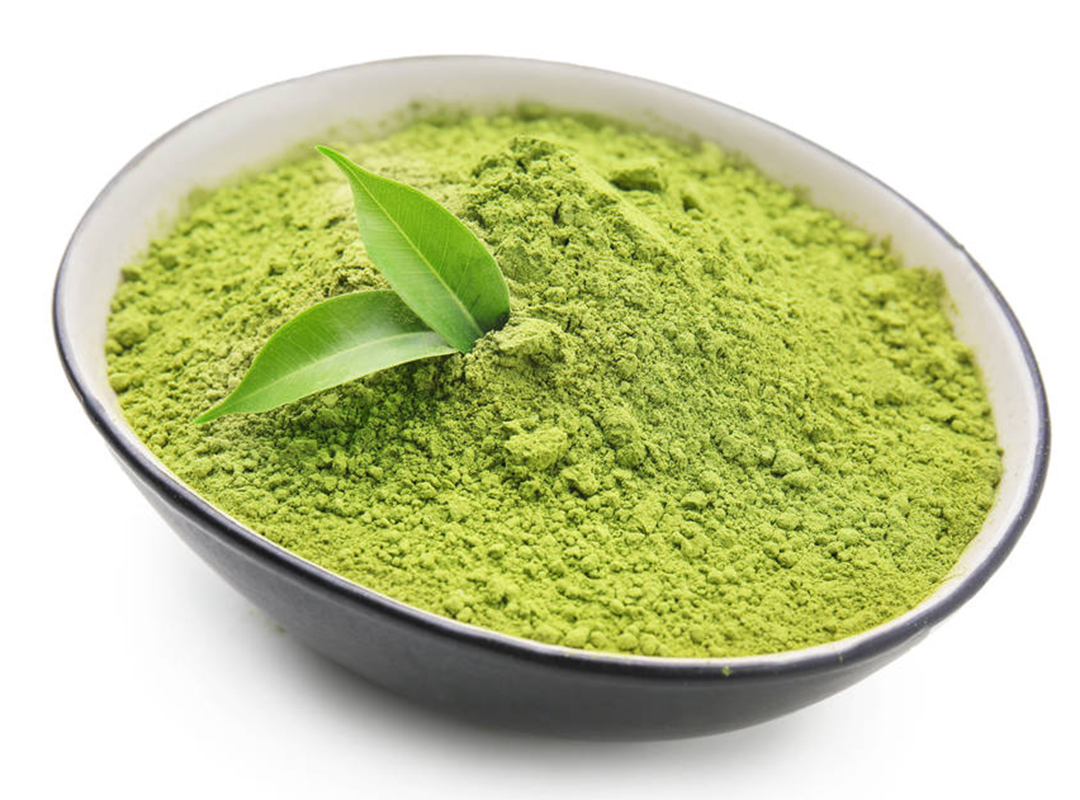
What Is a Matcha Powder Supplier?
A matcha powder supplier provides matcha powder to businesses, retailers, manufacturers, food-service companies, or other commercial customers.
Depending on the supplier, they may offer:
-
Ceremonial matcha
-
Drinking-grade matcha
-
Culinary matcha
-
Matcha for lattes
-
Matcha for baking
-
Bulk matcha powder
-
Wholesale matcha
-
Private-label matcha
-
Custom matcha products
-
Matcha OEM services
Some suppliers manufacture or process matcha directly. Others purchase products from manufacturers and resell them.
This difference matters.
If you are building a long-term matcha product line, you may need more than a supplier that can simply provide bags of powder.
You may need a partner that can support:
-
Product development
-
Quality control
-
Bulk supply
-
Packaging
-
Private labeling
-
OEM production
-
Documentation
-
Shipping
-
Batch consistency
-
Long-term production planning
For this reason, supplier selection should be treated as a business decision rather than a simple product purchase.
Why Is Choosing the Right Matcha Supplier Important?
Matcha is a sensitive product. Differences in raw materials, processing, storage, packaging, and handling can affect the final powder.
For businesses, inconsistency can create real problems.
For example, imagine a cafe using 2 grams of matcha to make every latte.
If one batch has a different color, flavor, or strength from the previous batch, customers may notice.
The same issue can become even more important for manufacturers.
A beverage company may have a specific formulation that depends on a certain matcha profile. If the raw material changes significantly from one batch to another, the final product may also change.
A reliable matcha powder supplier can help businesses reduce these risks through consistent specifications, quality control, communication, and supply planning.
10 Things to Check When Choosing a Matcha Powder Supplier
Before choosing a supplier, evaluate these ten areas:
-
Matcha quality
-
Product consistency
-
Raw material and origin information
-
Testing and documentation
-
Application suitability
-
MOQ and pricing
-
Production capacity
-
Packaging and storage
-
OEM and private-label capabilities
-
Communication and long-term support
Let's look at each one in detail.
1. Evaluate the Quality of the Matcha Powder
The first thing to evaluate is the actual matcha.
Do not choose a supplier based only on a product description or catalog image.
Ask for samples.
A good sample evaluation should consider several characteristics.
Color
Matcha is often recognized by its green color.
However, color should not be the only measure of quality.
A business should evaluate color together with aroma, flavor, texture, application performance, and product specifications.
For example, a matcha used for a premium tea product may have different requirements from matcha used in cookies or commercial beverages.
Aroma
Open the sample and evaluate the aroma.
Does it smell fresh and clean?
Does the aroma match the intended application?
Aroma can be particularly important for products where matcha is a major flavor component.
Flavor
Taste the matcha according to the intended application.
Look for characteristics such as:
-
Freshness
-
Bitterness
-
Sweetness
-
Umami
-
Astringency
-
Aftertaste
-
Overall balance
There is no single flavor profile that is perfect for every business.
A cafe may prefer a smooth profile for matcha lattes.
A bakery may prioritize a strong matcha character that remains noticeable after baking.
A beverage manufacturer may need a profile that performs consistently in a formulated drink.
Texture
Fine, smooth powder is important for many matcha applications.
Check how the powder behaves during preparation.
Does it disperse well?
Does it create excessive clumping?
Does it work with your equipment and production process?
These practical tests can tell you more than a supplier's marketing description.
2. Check Batch Consistency
Quality is not only about one good sample.
For businesses, consistency is often more important than a single impressive sample.
Ask the supplier:
-
How do you control batch consistency?
-
Are product specifications documented?
-
How are batches tested?
-
Can the same product specification be maintained for repeat orders?
-
How do you handle raw material variation?
-
Can you provide batch-related documentation when appropriate?
This is especially important if you plan to purchase matcha repeatedly.
A supplier may provide an excellent first sample but struggle to maintain the same characteristics over multiple orders.
That can create problems for your customers and production team.
Therefore, when evaluating a wholesale matcha supplier, think about the next 6–12 months, not just your first order.
3. Ask About Raw Material and Origin
Understanding where the matcha comes from can help you evaluate traceability and product positioning.
Ask the supplier about:
-
Raw material origin
-
Processing location
-
Production location
-
Supplier traceability
-
Harvest or production information when available
-
Storage conditions
-
Supply chain structure
The appropriate level of detail depends on the product and market.
If you are selling premium matcha, origin information may be an important part of your product story.
If you are buying culinary matcha for food manufacturing, application performance and supply stability may be more important.
The key is transparency.
A reliable supplier should be able to explain the basic supply chain and product specifications clearly.
4. Check Testing and Documentation
For commercial purchasing, documentation matters.
Depending on the product, market, and intended application, you may need documents such as:
-
Product specification sheets
-
Certificates of analysis (COA)
-
Microbiological test results
-
Heavy metal testing
-
Pesticide residue testing
-
Allergen information
-
Ingredient information
-
Shelf-life information
-
Packaging specifications
-
Relevant certification documents
Not every business needs every document.
Requirements can also vary by country and product category.
The important point is to discuss your requirements with the supplier before placing a large order.
If your matcha will be used in a packaged food or beverage, your regulatory and documentation requirements may be significantly higher than those of a small cafe.
A professional matcha supplier for businesses should be prepared to discuss the documentation relevant to your application.
5. Match the Matcha to Your Application
One of the most common mistakes businesses make is asking:
"What is the best matcha?"
A better question is:
"What is the right matcha for my application?"
Different applications require different characteristics.
Matcha for Tea
If you are selling matcha as a traditional or premium drinking product, you may prioritize:
-
Smooth flavor
-
Balanced taste
-
Aroma
-
Color
-
Fine texture
-
Drinking experience
Matcha for Lattes
For cafes and beverage businesses, you may want:
-
Strong matcha flavor
-
Good color
-
Good performance with milk or plant-based beverages
-
Consistent taste
-
Good cost per serving
-
Reliable supply
Matcha for Baking
For cakes, cookies, desserts, and other baked products, considerations may include:
-
Color retention
-
Matcha flavor
-
Performance during processing
-
Cost efficiency
-
Consistency
Matcha for Food Manufacturing
Manufacturers may have more complex requirements.
They may need:
-
Specific product specifications
-
Consistent batches
-
Large-volume supply
-
Technical documentation
-
Reliable lead times
-
Packaging suitable for production
-
Long-term supply planning
This is why a supplier should understand how you will use the matcha, not simply how much you want to buy.
6. Compare MOQ and Pricing
Price is important, but the lowest price is not always the best deal.
When comparing suppliers, look at the complete purchasing cost.
Consider:
-
Price per kilogram
-
Minimum order quantity
-
Sample cost
-
Packaging cost
-
Custom packaging cost
-
Shipping
-
Import-related costs
-
Payment terms
-
Lead time
-
Storage requirements
-
Potential production delays
For example, Supplier A may offer a lower price per kilogram but require a very large MOQ.
Supplier B may have a slightly higher price but offer a more flexible MOQ and faster replenishment.
For a small business, Supplier B could actually be more economical.
Calculate Cost Per Serving
For cafes and beverage businesses, cost per serving can be more useful than price per kilogram.
For example:
If matcha costs $40 per kilogram and you use 2 grams per drink:
$40 ÷ 1,000 grams × 2 grams = $0.08 per serving
This gives you a clearer picture of product economics.
When comparing a bulk matcha supplier, always calculate your actual cost based on your recipe and usage.
7. Evaluate Production Capacity
Your supplier should be able to grow with your business.
A supplier that can handle your first 20 kg order may not necessarily be able to support a 500 kg or 1,000 kg monthly requirement.
Ask:
-
What is your normal production capacity?
-
What is your typical lead time?
-
Can you handle larger orders?
-
How do you manage peak demand?
-
Can you support repeat orders?
-
How far in advance should production be scheduled?
This becomes especially important when your product becomes successful.
A sudden increase in demand can create supply problems if your supplier has limited production capacity.
A good supplier relationship should support both your current needs and reasonable future growth.
8. Check Packaging and Storage
Matcha should be protected from environmental factors that can affect its quality.
Packaging is therefore an important part of supplier evaluation.
Ask about:
-
Packaging material
-
Bulk packaging sizes
-
Custom packaging options
-
Sealing methods
-
Protection from light
-
Protection from moisture
-
Storage conditions
-
Recommended shelf life
-
Shipping conditions
For wholesale purchases, packaging should also be practical for your operation.
A food manufacturer may require large-volume packaging.
A private-label brand may need smaller retail-ready packaging.
A cafe may prefer bulk packaging that is easy to store and use.
The right packaging depends on your business model.
9. Check OEM and Private-Label Capabilities
If you are building your own matcha brand, supplier capabilities become even more important.
A basic wholesaler may only sell existing products.
An OEM or private-label matcha supplier may be able to support:
-
Custom formulations
-
Custom product specifications
-
Retail packaging
-
Custom labels
-
Brand development
-
Different package sizes
-
Product customization
-
Production coordination
For example, an e-commerce brand may want its own branded matcha powder.
A cafe chain may want a standardized matcha product across multiple locations.
A beverage company may need a specific matcha formulation for a ready-to-drink product.
In these situations, working with an OEM-capable supplier can simplify the supply chain.
However, always confirm exactly what the supplier can customize.
Do not assume that "OEM" means unlimited customization.
Ask about:
-
MOQ
-
Formula customization
-
Packaging MOQ
-
Lead time
-
Sample development
-
Label requirements
-
Production process
-
Quality control
-
Documentation
10. Evaluate Communication and Long-Term Support
This point is often underestimated.
Supplier communication can directly affect your business.
Pay attention to how the supplier handles your questions before placing an order.
Do they respond clearly?
Do they provide useful product information?
Do they understand your application?
Do they explain MOQ and lead times honestly?
Do they communicate potential problems early?
A reliable supplier relationship should feel predictable.
You should know:
-
What you are buying
-
What specifications apply
-
How much you need to order
-
How long production will take
-
What documentation is available
-
How repeat orders will be handled
Good communication is especially valuable when you are developing a new product.
Manufacturer vs Distributor vs Trading Company
When looking for a matcha powder supplier, you may encounter several types of businesses.
Matcha Manufacturer
A manufacturer or producer may have greater control over:
-
Production
-
Processing
-
Quality control
-
Specifications
-
Packaging
-
Production planning
This can be useful for larger B2B buyers.
Distributor
A distributor purchases products and resells them.
Distributors can be useful when you need:
-
Smaller quantities
-
Local inventory
-
Faster delivery
-
Multiple products
However, product customization may be more limited.
Trading Company
A trading company may connect buyers with different producers.
This can provide access to multiple products, but buyers should understand who actually manufactures the product and who controls quality.
The best option depends on your purchasing requirements.
What Questions Should You Ask a Matcha Supplier?
Before selecting a supplier, prepare a list of questions.
Here is a practical checklist.
Product
-
What matcha grades do you offer?
-
Which products are suitable for my application?
-
Can I receive samples?
-
What are the product specifications?
-
What is the typical flavor profile?
-
What packaging sizes are available?
Quality
-
How do you control product quality?
-
How do you manage batch consistency?
-
What testing is available?
-
Can you provide a COA or relevant test documentation?
-
How is the product stored?
Supply
-
What is the MOQ?
-
What is the normal lead time?
-
What is your production capacity?
-
Can you support repeat orders?
-
Can you handle increased demand?
OEM
-
Do you offer private-label matcha?
-
Do you offer OEM services?
-
Can you customize packaging?
-
Can you customize product specifications?
-
What is the MOQ for custom products?
Logistics
-
Where do you ship?
-
What export documentation is available?
-
What are the standard packaging options?
-
How is the product protected during transportation?
The answers will help you compare suppliers more objectively.
How to Compare Matcha Powder Suppliers
Instead of choosing based on price alone, create a simple supplier scorecard.
You can score each supplier from 1 to 5 in the following categories:
| Category | Score |
|---|---|
| Product quality | /5 |
| Flavor and aroma | /5 |
| Color | /5 |
| Texture | /5 |
| Batch consistency | /5 |
| Testing/documentation | /5 |
| MOQ | /5 |
| Price | /5 |
| Production capacity | /5 |
| Lead time | /5 |
| Packaging | /5 |
| OEM/private label | /5 |
| Communication | /5 |
| Long-term supply | /5 |
This simple process can prevent you from choosing a supplier based on one attractive factor.
For example, a supplier with a very low price but poor consistency may create more costs later.
Common Mistakes When Choosing a Matcha Supplier
Mistake 1: Choosing Only by Price
The cheapest matcha is not automatically the most cost-effective.
Consider quality, dosage, consistency, waste, shipping, and customer expectations.
Mistake 2: Ordering a Large Quantity Without Testing
Always test samples before committing to a large order whenever possible.
Use the sample in the actual product.
Do not evaluate matcha only by smelling or tasting it directly.
If you are making a latte, make the latte.
If you are making cookies, bake the cookies.
Application testing provides much more useful information.
Mistake 3: Ignoring Batch Consistency
One good sample does not guarantee every future batch will be identical.
Ask how the supplier manages consistency.
Mistake 4: Ignoring MOQ
A supplier may have an attractive unit price but require an order size that is too large for your business.
Always calculate inventory requirements and cash flow.
Mistake 5: Not Checking Documentation
If you are selling packaged food or beverages, documentation may be an important part of your compliance process.
Discuss requirements before purchasing.
Mistake 6: Choosing a Supplier That Cannot Scale
If you expect your business to grow, consider whether the supplier can support larger orders in the future.
How to Find a Reliable Matcha Powder Supplier
A practical supplier-selection process can be divided into seven steps.
Step 1: Define Your Application
Decide whether you need matcha for:
-
Tea
-
Lattes
-
Baking
-
Food manufacturing
-
Beverage production
-
Retail
-
Private label
-
OEM
Step 2: Define Your Volume
Estimate your:
-
Monthly demand
-
Initial order
-
Expected annual demand
-
Future growth
Step 3: Create Your Product Specification
Define the characteristics you need.
For example:
-
Flavor profile
-
Color
-
Texture
-
Application
-
Packaging
-
Documentation
-
Target price
Step 4: Shortlist Suppliers
Compare several suppliers instead of relying on the first company you find.
Step 5: Request Samples
Test the products in your actual application.
Step 6: Compare Commercial Terms
Review:
-
MOQ
-
Price
-
Lead time
-
Packaging
-
Shipping
-
Payment terms
Step 7: Start With a Controlled Order
Once you identify a suitable supplier, start with an order that fits your business and verify the actual production batch before expanding your purchasing volume.
This approach reduces unnecessary risk.
What Makes a Good Matcha Supplier for Businesses?
A good B2B matcha supplier should provide more than a product catalog.
You should look for a supplier that can combine:
Quality + consistency + documentation + supply capacity + communication + commercial flexibility.
For smaller businesses, MOQ and flexibility may be especially important.
For larger manufacturers, production capacity and quality documentation may become more important.
For private-label brands, packaging and OEM capabilities may be critical.
There is no single supplier profile that works for every company.
The right supplier is the one that fits your specific business model.
Why Choose Sevalley as Your Matcha Supplier?
For businesses looking for a long-term matcha powder supplier, Sevalley Matcha provides solutions across different commercial applications.
Sevalley offers a range of matcha products covering ceremonial, beverage, and baking applications, allowing businesses to select matcha based on how the product will be used.
The product range is designed for applications including:
-
Traditional matcha drinks
-
Matcha lattes
-
Milk tea
-
Smoothies
-
Cakes
-
Cookies
-
Desserts
-
Commercial food and beverage products
For businesses developing their own products, Sevalley also provides OEM solutions, including custom formulations, packaging, and private-label support.
This can be useful for companies that do not simply want to buy bulk matcha but want to build a complete branded matcha product.
The most important point is that supplier selection should start with your application and business requirements.
Once those requirements are clear, you can evaluate whether a supplier's products, production capabilities, MOQ, documentation, packaging, and OEM services are a good fit.
Matcha Powder Supplier Checklist
Before choosing a supplier, make sure you can answer these questions:
Product
-
Does the matcha fit my application?
-
Have I tested a sample?
-
Is the flavor profile suitable?
-
Is the color suitable?
-
Is the texture suitable?
Quality
-
Are product specifications available?
-
Is batch consistency controlled?
-
Is relevant testing available?
-
Can the supplier provide appropriate documentation?
Business
-
Is the MOQ realistic?
-
Is the price suitable?
-
Can the supplier support my expected volume?
-
Is the lead time acceptable?
Packaging
-
Is the packaging suitable for my business?
-
Can the supplier provide bulk packaging?
-
Can the supplier provide custom packaging?
OEM
-
Is private labeling available?
-
Is OEM available?
-
Can the product or packaging be customized?
Long-Term Supply
-
Can the supplier support repeat orders?
-
Can the supplier handle business growth?
-
Is communication reliable?
If the answer is "yes" to most of these questions, you are much closer to finding a suitable supplier.
FAQ
Q: What should I look for in a matcha powder supplier?
A: Look for product quality, consistent specifications, relevant testing and documentation, reasonable MOQ, reliable production capacity, suitable packaging, competitive total cost, and good communication.
Q: How do I choose a wholesale matcha supplier?
A: First define your application and required volume. Then request samples, test the matcha in your actual products, compare quality and specifications, and review MOQ, pricing, lead time, documentation, and supply capacity.
Q: Should I buy matcha directly from a manufacturer?
A: Direct purchasing from a manufacturer can be useful for businesses that need larger volumes, consistent specifications, or OEM/private-label services. However, a distributor may be more suitable for smaller orders or local inventory.
Q: What is the best matcha for a business?
A: There is no universal "best" matcha for every business. The right product depends on whether you need matcha for tea, lattes, baking, beverages, food manufacturing, retail, or private-label products.
Q: What documents should a matcha supplier provide?
A: Depending on the product and destination market, relevant documentation may include product specifications, COA, testing information, allergen information, ingredient information, shelf-life information, and applicable certification documents.
Q: What MOQ should I expect from a matcha supplier?
A: MOQ varies by supplier, product, packaging, and whether you need standard or customized products. Standard bulk matcha usually has different requirements from OEM or private-label production.
Q: Can I buy bulk matcha for a cafe?
A: Yes. Cafes can purchase bulk matcha for drinks such as matcha lattes, smoothies, and other beverages. The most important factors are flavor, color, application performance, cost per serving, consistency, and supply reliability.
Q: Can a matcha supplier make private-label products?
A: Some suppliers offer private-label and OEM services. These may include custom packaging, labeling, product specifications, and other customization options. Always confirm MOQ, lead time, and available customization before starting a project.
Final Thoughts: Choosing the Right Matcha Powder Supplier
Choosing a matcha powder supplier is not simply about finding the lowest price.
A strong supplier should be able to provide the right product for your application, maintain consistent quality, support your required volume, provide appropriate documentation, and communicate clearly throughout the purchasing process.
For businesses, the best approach is simple:
Define your needs → request samples → test the product → check quality and documentation → compare commercial terms → evaluate long-term supply → start with a controlled order.
Whether you run a cafe, launch a matcha brand, manufacture beverages, produce baked goods, or source matcha for retail, taking the time to evaluate your supplier can make a significant difference to your business.
If you are looking for a bulk matcha supplier, wholesale matcha powder supplier, private-label matcha supplier, or matcha OEM partner, Sevalley can be considered as part of your supplier evaluation process.
The goal is not simply to find a supplier.
The goal is to find a matcha supply partner that can support your product quality and business growth over the long term.