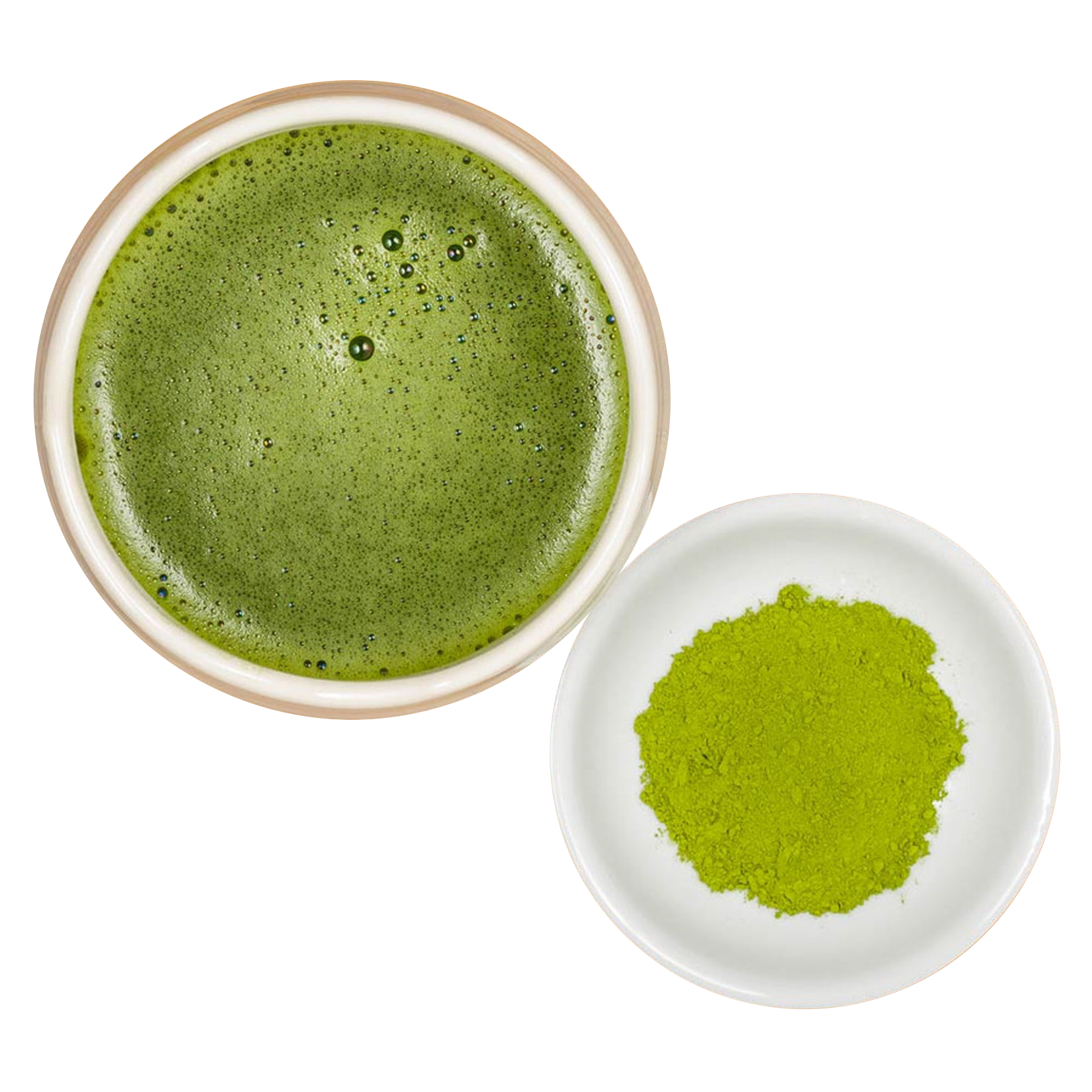
First taste of matcha—you’d think it’s simply green tea ground fine. True, in a sense. But if so, why did Japan’s tea ceremony spend centuries pursuing nothing but the stillness, the wabi, in a single bowl?
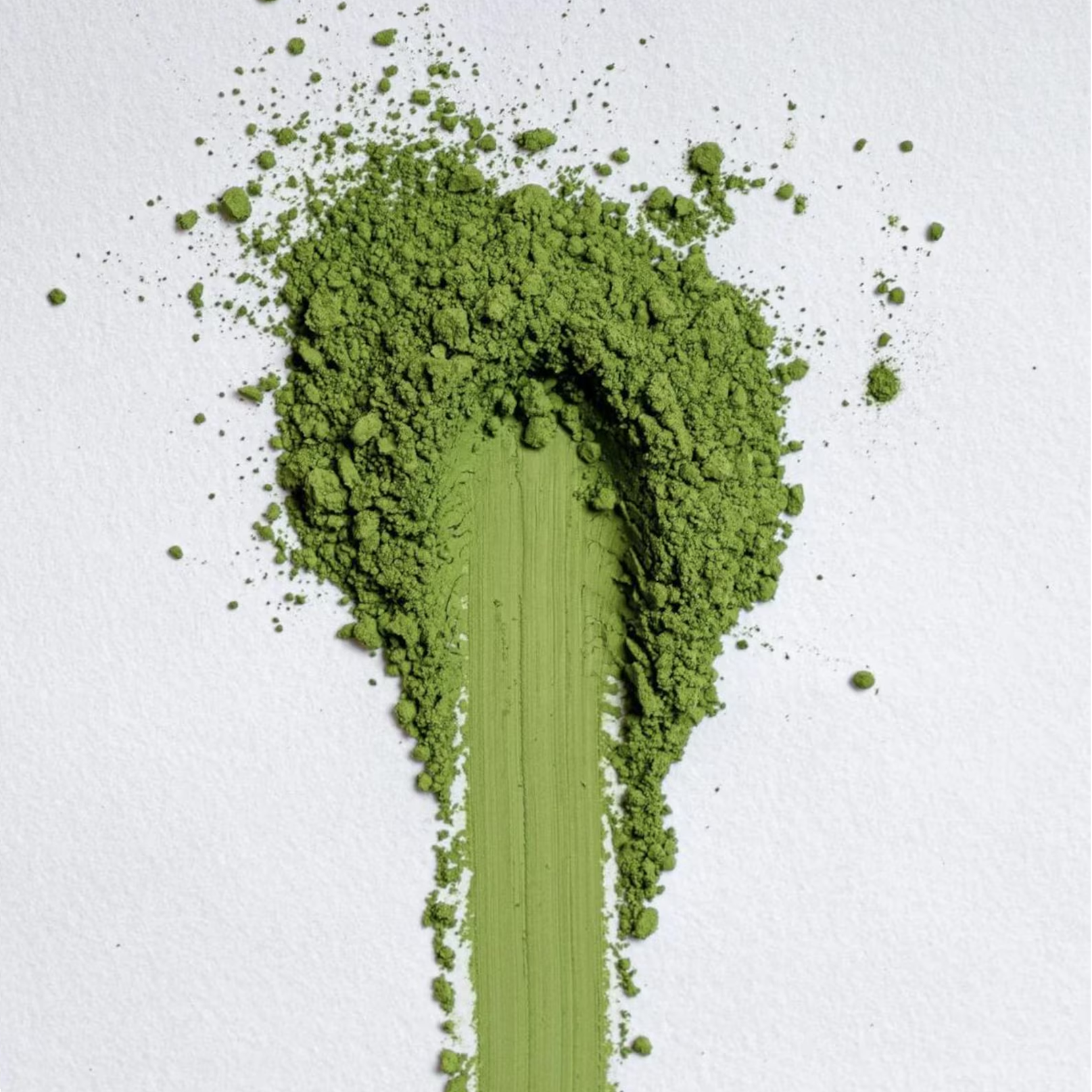
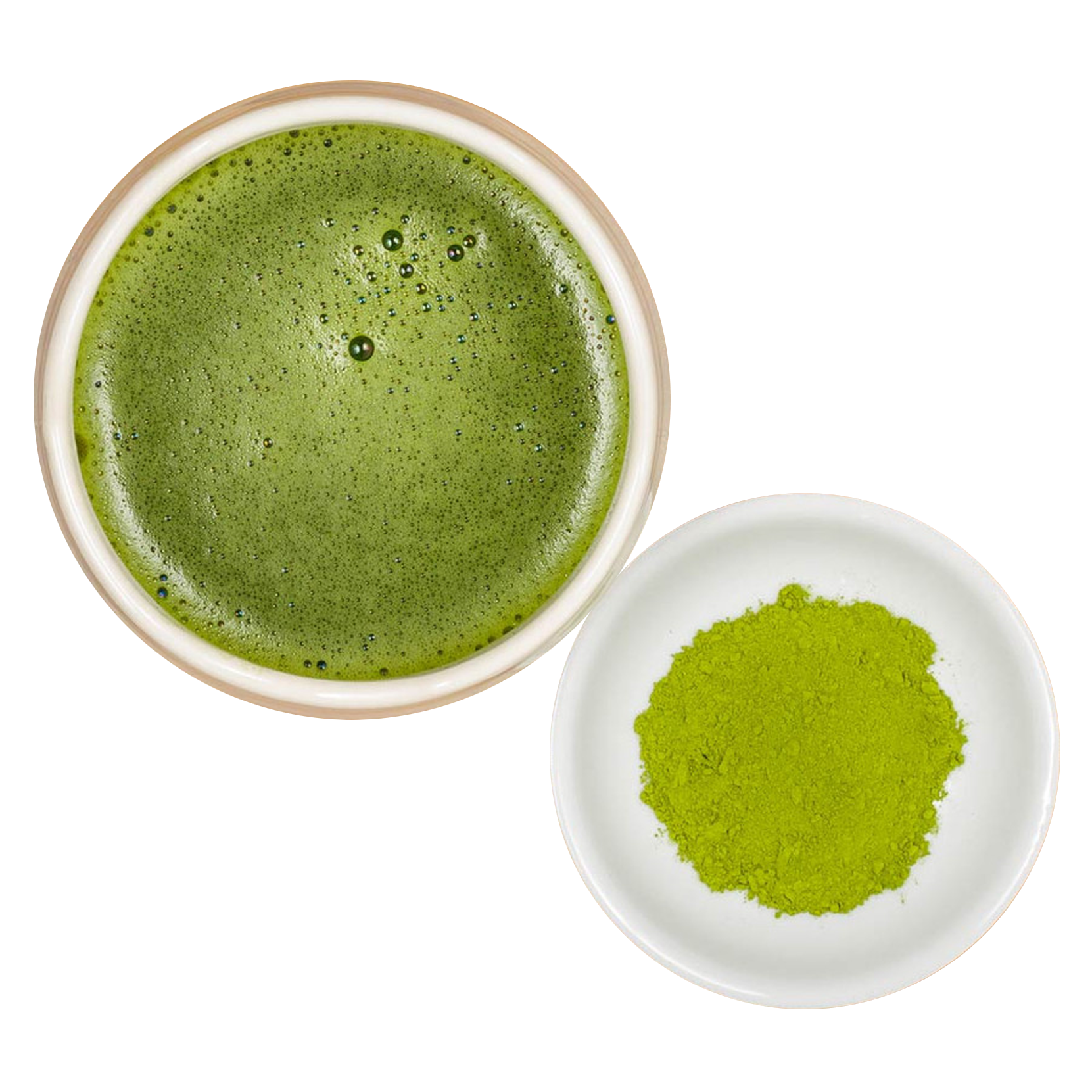
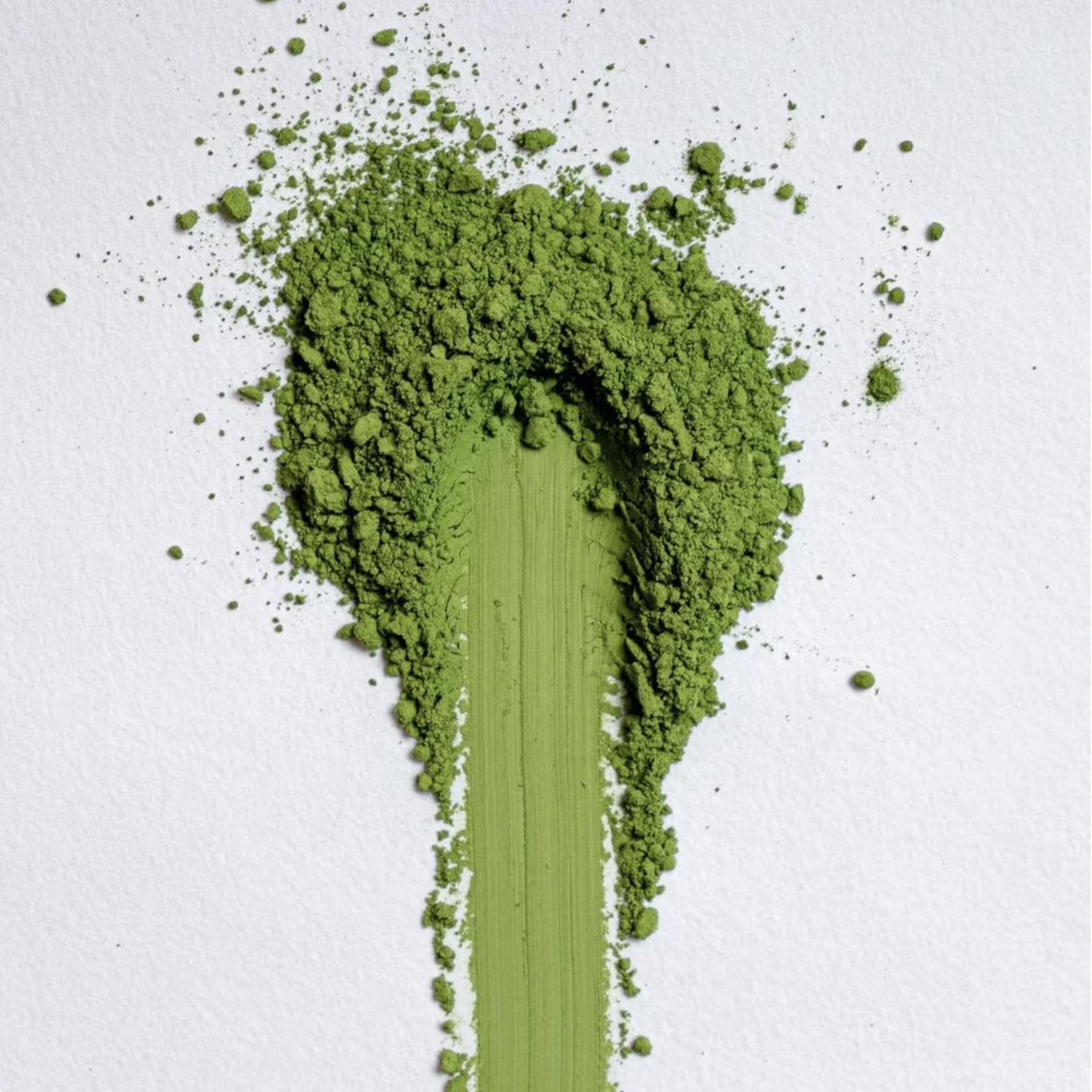
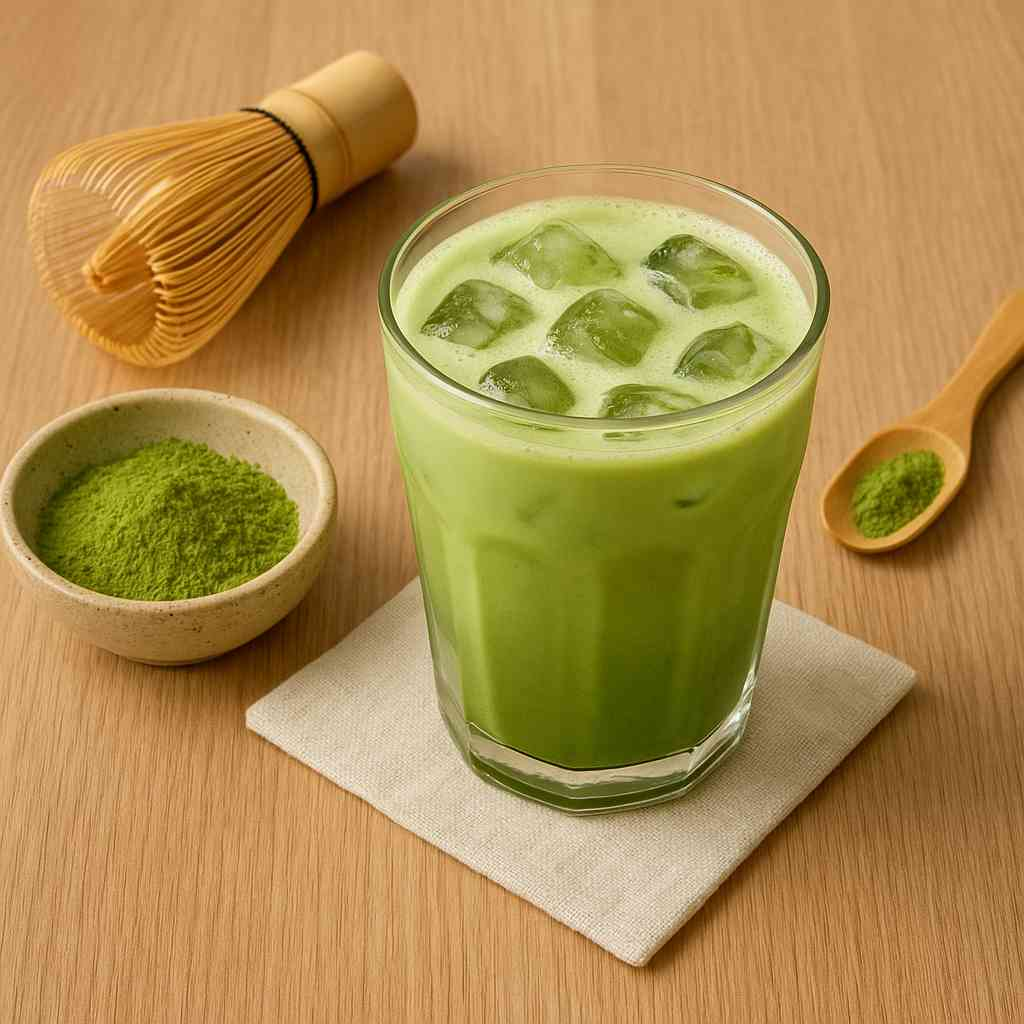
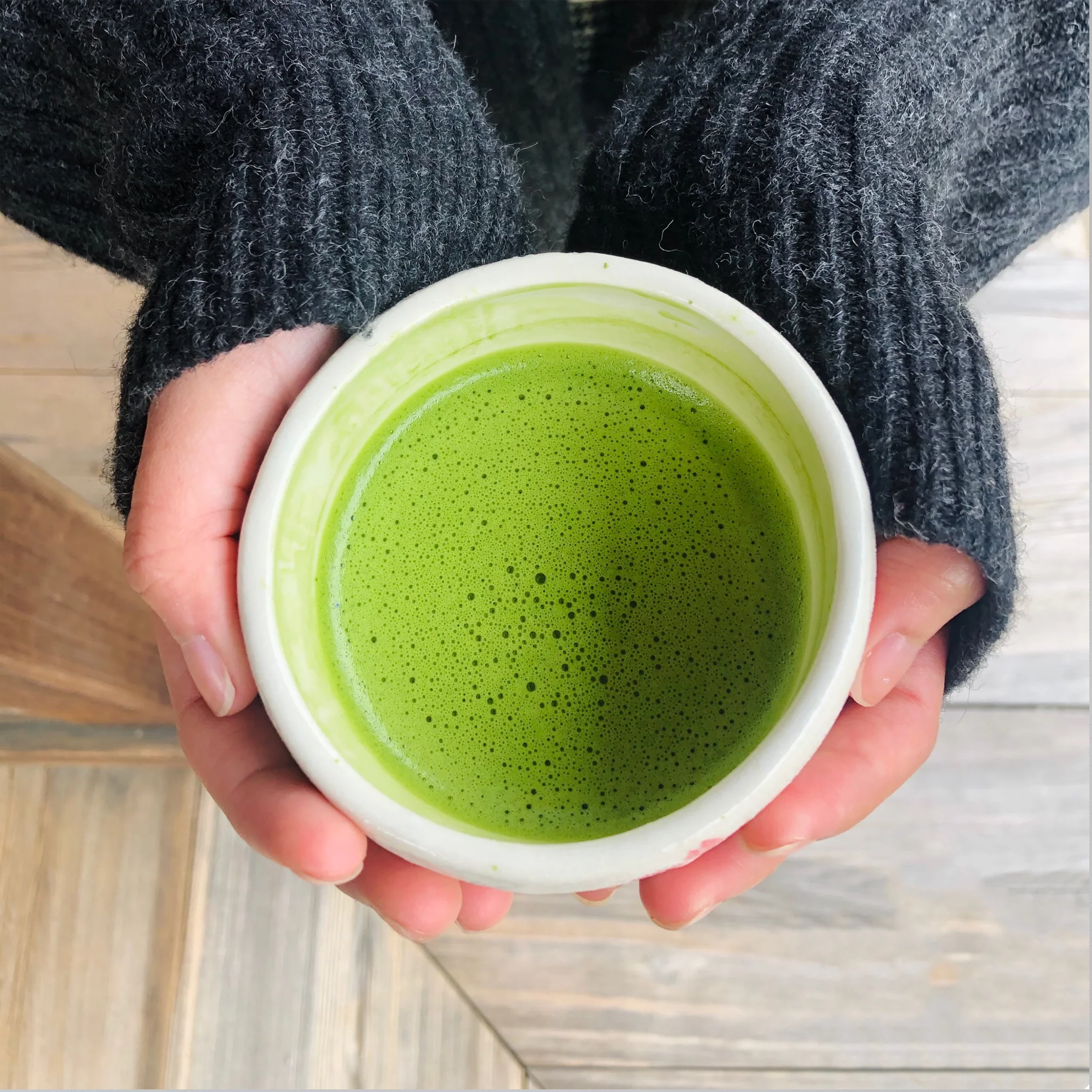
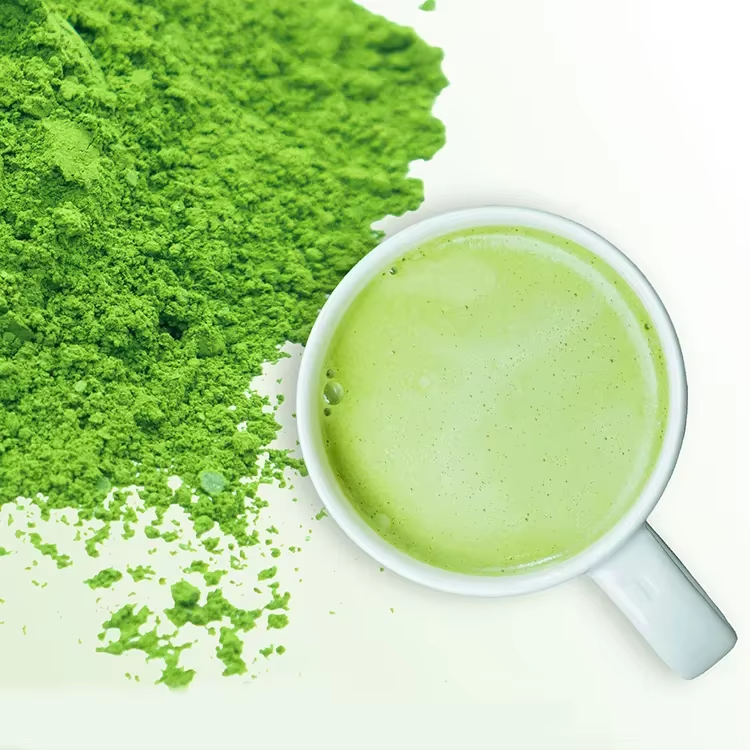
Real matcha is a long ritual, from branch to the last drop. Weeks before harvest, tea plants are shaded—ninety percent darkness. This near-cruel lack of light forces the leaves impossibly tender, and floods them with amino acids. By late April, only the topmost shoots are taken: one bud, two leaves. Steamed to stop oxidation. Never rolled, never pan-fired. Just dried. Then the stone mill takes over—thirty slow rotations per minute. No heat to spoil the fragrance. Just fine, fine dust the colour of jade. Forty grams of leaf, one hour of grinding.
First taste of matcha—you’d think it’s simply green tea ground fine. True, in a sense. But if so, why did Japan’s tea ceremony spend centuries pursuing nothing but the stillness, the wabi, in a single bowl?
Real matcha is a long ritual, from branch to the last drop. Weeks before harvest, tea plants are shaded—ninety percent darkness. This near-cruel lack of light forces the leaves impossibly tender, and floods them with amino acids. By late April, only the topmost shoots are taken: one bud, two leaves. Steamed to stop oxidation. Never rolled, never pan-fired. Just dried. Then the stone mill takes over—thirty slow rotations per minute. No heat to spoil the fragrance. Just fine, fine dust the colour of jade. Forty grams of leaf, one hour of grinding.