
Bulk Matcha Powder: A Complete Guide for Businesses
Bulk matcha powder has become an important ingredient for cafes, restaurants, beverage companies, bakeries, food manufacturers, retailers, distributors, and private-label brands.
As matcha becomes more popular in products such as lattes, smoothies, desserts, ice cream, chocolate, bakery products, and ready-to-drink beverages, businesses need more than a small retail package of matcha.
They need a reliable supply of matcha powder in commercial quantities.
But buying matcha in bulk is not simply a matter of finding the lowest price per kilogram.
Businesses also need to consider:
-
Matcha quality
-
Intended application
-
Flavor
-
Color
-
Product consistency
-
Packaging
-
Testing
-
MOQ
-
Lead time
-
Storage
-
Shipping
-
Supplier reliability
-
Total landed cost
The right bulk matcha powder can help a business maintain consistent product quality while controlling ingredient costs.
The wrong product can create problems with flavor, color, formulation, customer satisfaction, and supply continuity.
This guide explains what bulk matcha powder is, who should buy it, how to choose the right specification, how to calculate cost, what questions to ask a supplier, and how businesses can build a reliable matcha supply chain.
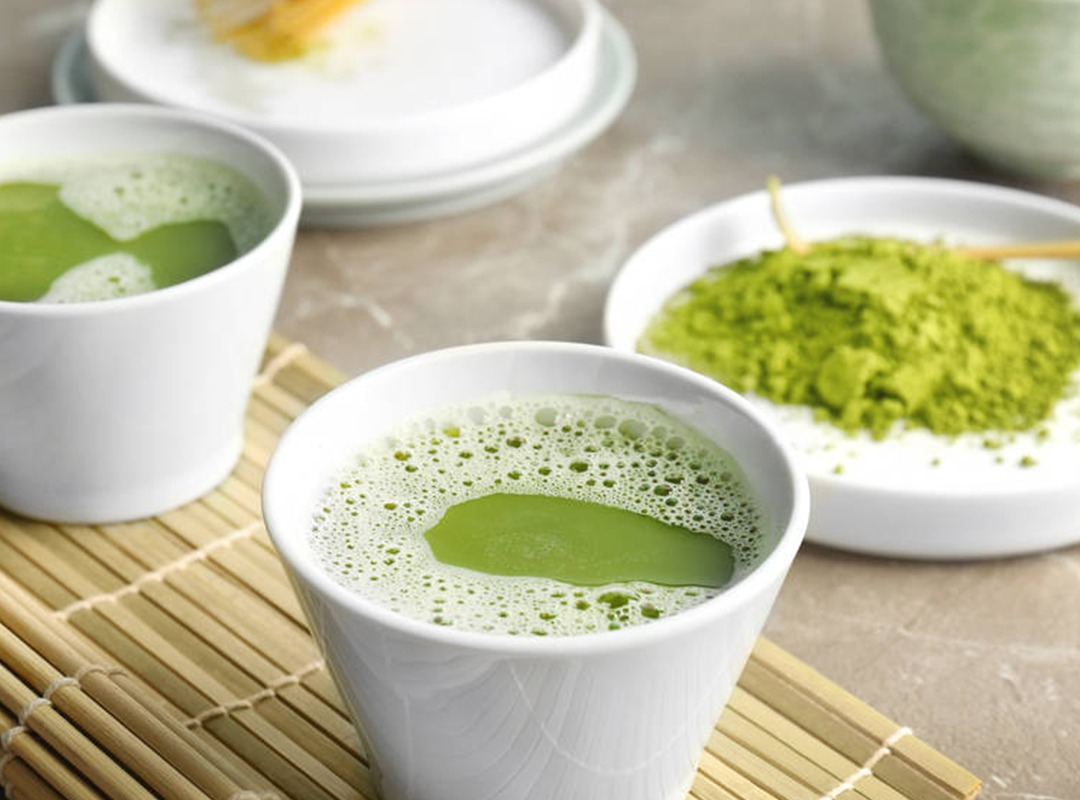
Quick Answer: What Is Bulk Matcha Powder?
Bulk matcha powder is matcha supplied in larger quantities for commercial, manufacturing, food service, wholesale, or repackaging applications.
Unlike consumer-sized packages such as 20 g, 30 g, or 50 g, bulk matcha is commonly supplied in larger formats according to the buyer's requirements.
Bulk matcha may be used by:
-
Cafes
-
Restaurants
-
Bakeries
-
Beverage brands
-
Food manufacturers
-
Matcha retailers
-
Distributors
-
E-commerce brands
-
Private-label companies
The right bulk matcha depends on the application.
A cafe making matcha lattes may need a different specification from a bakery producing matcha cookies.
A beverage manufacturer may have different requirements again.
Therefore, the best bulk matcha is not necessarily the most expensive product.
It is the product that provides the right combination of quality, performance, consistency, availability, and cost for the intended application.
Why Do Businesses Buy Matcha in Bulk?
There are several reasons businesses purchase matcha powder in larger quantities.
1. Lower Cost Per Gram
Buying larger quantities can reduce packaging and handling costs and may provide a lower unit cost compared with purchasing many small retail packages.
For businesses using matcha regularly, this can have a meaningful impact on product margins.
For example, a cafe using several kilograms of matcha every month may find bulk purchasing more practical than repeatedly buying consumer-sized packages.
2. Consistent Supply
A commercial business needs predictable access to its core ingredients.
If matcha is an important part of your menu or product, running out of inventory can affect sales.
A planned bulk purchasing strategy can help businesses maintain appropriate inventory levels.
3. Consistent Product Formulation
Commercial products need consistency.
If the matcha changes significantly from one purchase to another, the final product may also change.
This can affect:
-
Beverage color
-
Flavor
-
Aroma
-
Bitterness
-
Product appearance
-
Customer experience
For this reason, businesses should establish clear product specifications with their suppliers.
4. Easier Production
Bulk matcha is designed for businesses that use matcha as an ingredient rather than simply as a retail tea product.
A bakery, for example, may need matcha powder by the kilogram for production.
A beverage manufacturer may need much larger quantities.
Commercial packaging makes it easier to integrate matcha into the production process.
Who Should Buy Bulk Matcha Powder?
Bulk matcha is suitable for a wide range of businesses.
Cafes
Cafes are one of the most obvious commercial applications.
Matcha can be used for:
-
Hot matcha lattes
-
Iced matcha lattes
-
Matcha tea
-
Matcha smoothies
-
Matcha desserts
A cafe may prioritize:
-
Color
-
Flavor
-
Dispersion
-
Consistency
-
Cost per serving
Restaurants
Restaurants can use matcha in both beverages and desserts.
Applications may include:
-
Matcha drinks
-
Matcha cocktails or mocktails
-
Matcha desserts
-
Matcha sauces
-
Matcha pastries
The required matcha specification depends on the menu.
Bakeries
Bakeries can use bulk matcha in:
-
Cookies
-
Cakes
-
Bread
-
Pastries
-
Macarons
-
Cheesecake
-
Muffins
For baking, flavor intensity and color can be especially important.
Beverage Companies
Beverage companies may use matcha in:
-
Matcha latte powders
-
Ready-to-drink beverages
-
Bottled drinks
-
Smoothies
-
Functional beverage formulations
-
Drink mixes
Large-scale beverage production may require detailed product specifications and testing.
Food Manufacturers
Matcha can be incorporated into:
-
Ice cream
-
Chocolate
-
Desserts
-
Snacks
-
Dairy products
-
Bakery products
-
Confectionery
Food manufacturers often require consistent raw materials that can perform predictably within an established formulation.
E-Commerce Brands
E-commerce brands can purchase bulk matcha and sell it under their own brand.
This model can involve:
Bulk matcha → Repackaging → Private label → Online sales
Alternatively, a supplier may provide a complete private-label solution.
For more information about this model, businesses can also consider a dedicated matcha OEM and private-label program.
Distributors and Wholesalers
Distributors may purchase larger volumes and supply matcha to:
-
Cafes
-
Restaurants
-
Retailers
-
Food manufacturers
-
Regional brands
For distributors, supply reliability and commercial pricing can be particularly important.
What Types of Bulk Matcha Are Available?
Bulk matcha should be selected according to the intended use.
A simple way to categorize matcha is by application.
Drinking Matcha
Designed primarily for preparing matcha as a beverage.
Important characteristics may include:
-
Smoothness
-
Aroma
-
Flavor complexity
-
Color
-
Balanced bitterness
Latte Matcha
Designed for applications where matcha is combined with milk or milk alternatives.
A latte-focused matcha may need:
-
Strong tea flavor
-
Vibrant color
-
Good dispersion
-
Balanced bitterness
-
Good cost performance
Culinary Matcha
Culinary matcha is intended for use as a food ingredient.
Typical applications include:
-
Baking
-
Ice cream
-
Chocolate
-
Desserts
-
Smoothies
-
Food manufacturing
Culinary matcha does not automatically mean poor quality.
It generally means the product is selected with food applications in mind.
How to Choose Bulk Matcha Powder for Your Business
The first question should not be:
“What is your cheapest matcha?”
Instead, ask:
“What does my finished product need from the matcha?”
This changes the sourcing process significantly.
Step 1: Define the Application
Start by identifying exactly how the matcha will be used.
For example:
Cafe → Matcha latte
Bakery → Cookies and cakes
Food manufacturer → Ice cream
Beverage company → Ready-to-drink beverage
Retail brand → Consumer matcha powder
Different applications can require different product characteristics.
Step 2: Define Your Target Flavor
Matcha can have different flavor profiles.
Depending on the product, buyers may look for characteristics such as:
-
Umami
-
Grassy notes
-
Sweetness
-
Bitterness
-
Astringency
-
Roasted or vegetal notes
The preferred flavor depends on the target customer.
A premium drinking product may require a more delicate flavor profile.
A latte product may need enough intensity to remain noticeable after adding milk.
A cookie or cake may need a stronger flavor because sugar, butter, flour, and other ingredients can mask the tea.
Step 3: Evaluate Color
Color is an important commercial characteristic of matcha.
Many consumers associate vibrant green matcha with freshness and quality.
However, color should not be evaluated alone.
A proper product evaluation should consider:
-
Color
-
Aroma
-
Flavor
-
Texture
-
Application performance
-
Raw material specifications
-
Processing
-
Testing
For food manufacturers, it is particularly useful to evaluate the matcha in the final product rather than only examining the dry powder.
Step 4: Test the Matcha in Your Recipe
This is one of the most important steps in bulk matcha sourcing.
Do not place a large order simply because the powder looks good or tastes good when prepared with water.
Test it in the actual application.
For a cafe:
Make your latte.
For a bakery:
Bake your cookies or cake.
For an ice cream manufacturer:
Test the complete ice cream formulation.
For a beverage company:
Run a small formulation trial.
This helps determine whether the matcha actually performs well in the finished product.
Step 5: Calculate the Required Dosage
The cost of matcha should be evaluated based on the amount required to achieve the desired result.
Suppose Matcha A costs $30/kg and Matcha B costs $45/kg.
At first glance, Matcha A appears cheaper.
But if Matcha A requires 3 g per serving while Matcha B requires only 1.5 g, the actual cost difference may be much smaller than the price per kilogram suggests.
The more useful calculation is:
Cost per serving = Price per gram × Matcha dosage
This is especially important for cafes and beverage companies.
Bulk Matcha Cost: How Much Does Matcha Cost Per Kilogram?
Bulk matcha pricing varies widely.
There is no single market price that applies to all matcha products.
Pricing can depend on:
-
Product specification
-
Raw material
-
Processing
-
Quality
-
Application
-
Order volume
-
Packaging
-
Testing
-
Customization
-
Shipping
-
Market conditions
For this reason, businesses should request a quotation based on their actual requirements.
A supplier should ideally know:
-
Desired matcha type
-
Application
-
Order quantity
-
Package format
-
Destination market
-
Customization requirements
before providing a meaningful commercial quotation.
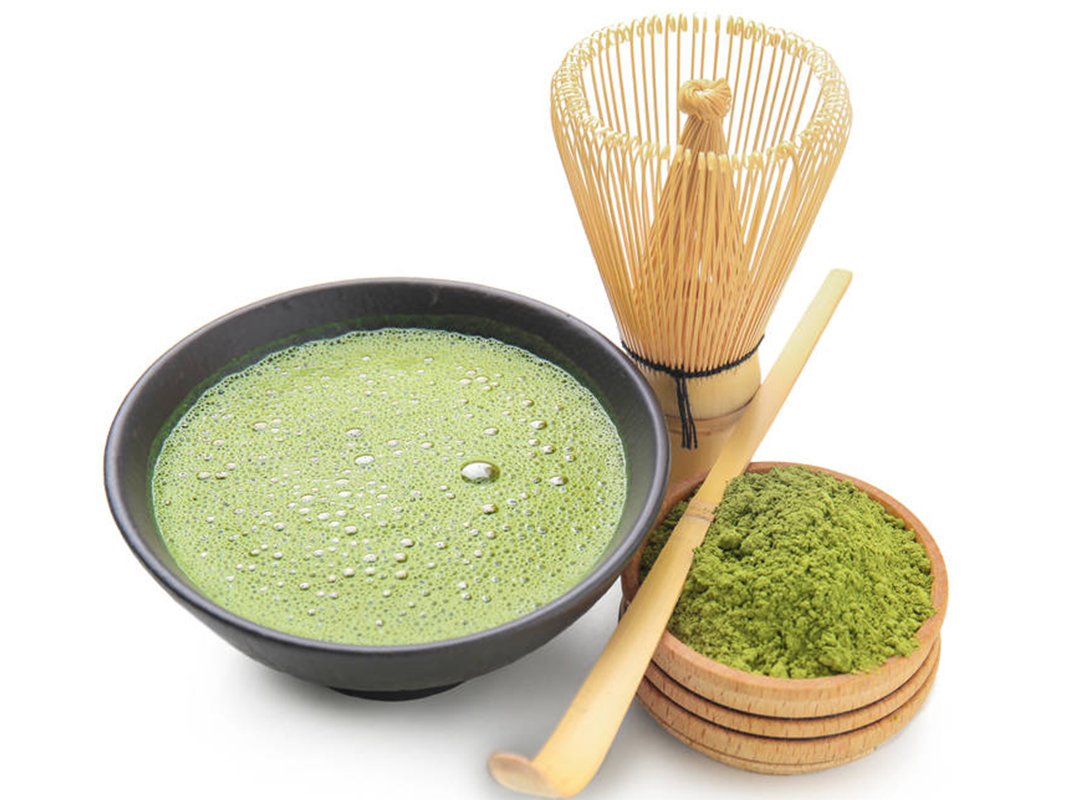
How to Calculate Bulk Matcha Cost
A simple calculation is:
Cost per gram = Bulk price ÷ total grams
For example:
If 10 kg of matcha costs $400:
10 kg = 10,000 g
$400 ÷ 10,000 g = $0.04 per gram
If a cafe uses 2 g per latte:
2 × $0.04 = $0.08 matcha cost per serving
This gives the business a more useful way to compare suppliers.
However, the final landed cost may also include:
-
Freight
-
Customs or import charges
-
Packaging
-
Warehousing
-
Testing
-
Other logistics expenses
Therefore, businesses should compare total landed cost, not just the quoted matcha price.
What Is the MOQ for Bulk Matcha?
MOQ means Minimum Order Quantity.
There is no universal MOQ for bulk matcha.
The minimum order can depend on:
-
Supplier
-
Product
-
Packaging
-
Customization
-
Production method
-
Order volume
-
Private-label requirements
A standard bulk matcha order may have different requirements from a custom private-label project.
If you are a small business, ask whether the supplier can provide:
-
Samples
-
Trial quantities
-
Small-batch orders
-
Standard packaging
-
Flexible commercial quantities
This can make initial product testing easier.
Bulk Matcha Packaging Options
Bulk matcha can be supplied in different packaging formats.
Common options include:
Bulk Bags
Suitable for cafes, bakeries, restaurants, and manufacturers.
Food-Grade Pouches
Useful for commercial storage and repackaging.
Tins
Can provide additional protection and premium positioning.
Sachets
Useful for single-serving products and retail applications.
Custom Retail Packaging
Suitable for private-label brands.
The appropriate format depends on:
-
Order size
-
Product type
-
Storage conditions
-
Shipping requirements
-
Intended use
-
Brand positioning
Why Matcha Packaging Matters
Matcha is a delicate powdered tea product.
Exposure to environmental factors can gradually affect its characteristics.
Important factors include:
-
Light
-
Oxygen
-
Moisture
-
Heat
-
Strong odors
Appropriate packaging can help protect the product during storage and transportation.
For commercial buyers, packaging should therefore be considered part of the sourcing specification.
It is not simply a design decision.
How Should Bulk Matcha Be Stored?
Once bulk matcha arrives, storage becomes the buyer's responsibility.
Matcha should generally be kept in conditions that minimize exposure to:
-
Heat
-
Moisture
-
Light
-
Oxygen
-
Strong odors
After opening a bulk package, businesses should use appropriate resealing or storage procedures.
For larger operations, inventory management is also important.
Avoid purchasing significantly more matcha than you can reasonably use within your planned storage period unless your storage and product specifications support it.
A lower bulk price is not useful if poor inventory management causes unnecessary product loss.
Bulk Matcha Quality Control
Quality control is especially important when buying commercial quantities.
Businesses should establish a clear specification before ordering.
Depending on the application, this may include:
-
Color
-
Aroma
-
Flavor
-
Particle characteristics
-
Moisture-related specifications
-
Microbiological requirements
-
Heavy metal testing
-
Pesticide testing
-
Other relevant food-safety testing
The exact testing requirements depend on the product and destination market.
Commercial buyers should discuss their documentation requirements with the supplier before placing an order.
What Documents Should a Matcha Supplier Provide?
Depending on the product and market, businesses may request documentation such as:
-
Product specification sheet
-
Certificate of Analysis
-
Microbiological test results
-
Heavy metal test results
-
Pesticide test results
-
Allergen information
-
Ingredient information
-
Product shelf-life information
-
Packaging specifications
Not every document is required for every project.
The important point is to determine the documentation needed before production or shipment.
This is particularly important for businesses importing food products into regulated markets.
Why Batch Consistency Matters
Suppose your cafe has developed a popular matcha latte.
Your customers expect it to taste the same every time.
If one batch of matcha has a different:
-
Color
-
Bitterness
-
Aroma
-
Flavor intensity
the final drink may change.
The same applies to food manufacturing.
A change in matcha can affect the finished product's:
-
Appearance
-
Flavor
-
Formula
-
Dosage
-
Cost
Therefore, commercial buyers should discuss batch consistency with their suppliers.
Clear specifications can help both parties understand what is expected.
Bulk Matcha for Cafes
For cafes, purchasing bulk matcha can be one of the most practical sourcing models.
A cafe can calculate its monthly consumption.
For example:
Daily matcha usage × operating days = monthly consumption
If a cafe uses 500 g per day and operates 26 days per month:
500 g × 26 = 13 kg per month
The cafe can then use this figure to plan purchasing and safety stock.
This is more effective than ordering matcha only when inventory is nearly empty.
Bulk Matcha for Bakeries
Bakeries should calculate matcha consumption based on production volume.
For example:
Matcha per batch × batches per week × weeks per month
If a bakery uses 20 g of matcha per production batch and makes 50 batches per week:
20 g × 50 = 1,000 g per week
That equals approximately:
1 kg per week
or around:
4 kg per month
Actual requirements will vary according to production schedules.
This type of calculation helps determine the appropriate order size.
Bulk Matcha for Beverage Manufacturers
Beverage companies may require significantly larger quantities.
A manufacturer should consider:
-
Matcha concentration
-
Batch size
-
Production frequency
-
Annual forecast
-
Packaging
-
Inventory requirements
-
Lead time
-
Safety stock
For large-scale production, it can be useful to establish a long-term supply plan with the supplier.
This may include:
-
Forecast quantities
-
Production schedules
-
Product specifications
-
Quality requirements
-
Delivery schedules
A stable supply relationship can become particularly important as sales grow.
Bulk Matcha for Private-Label Brands
Private-label brands have additional requirements.
They may need:
-
Matcha powder
-
Custom packaging
-
Brand labels
-
Product specifications
-
Retail package sizes
-
Product documentation
A private-label project can range from a relatively simple packaging customization to a fully customized OEM product.
For a new brand, starting with an existing matcha product and customized packaging may be simpler.
As the brand grows, it can consider more advanced customization.
How to Choose a Bulk Matcha Supplier
Choosing the supplier is one of the most important decisions in commercial sourcing.
Consider these eight factors.
1. Product Quality
Does the matcha meet your application requirements?
2. Consistency
Can the supplier maintain consistent specifications?
3. Testing
Can the supplier provide relevant documentation?
4. Supply Capacity
Can the supplier support your current and future volume?
5. Packaging
Can the supplier provide packaging appropriate for your business?
6. MOQ
Does the supplier's minimum order fit your purchasing capacity?
7. Lead Time
Can the supplier meet your production schedule?
8. Communication
Can the supplier respond clearly and efficiently when problems occur?
A supplier that is cheap but unreliable can ultimately cost more than a slightly more expensive supplier with better consistency and service.
Questions to Ask a Bulk Matcha Supplier
Before ordering, ask:
Product
-
What matcha products do you offer?
-
Which one is suitable for my application?
-
Can you provide samples?
-
What are the product specifications?
Quality
-
What testing is available?
-
Can you provide a Certificate of Analysis?
-
What food-safety documentation is available?
-
How do you maintain batch consistency?
Commercial
-
What is the MOQ?
-
What is the price at different order volumes?
-
What is the lead time?
-
What packaging options are available?
Logistics
-
Where will the product ship from?
-
What shipping methods are available?
-
What is the expected shelf life?
-
What storage conditions are recommended?
Private Label
-
Can you provide custom packaging?
-
Can you support private-label products?
-
Can you develop custom formulations?
-
Can you support retail-size packaging?
Getting clear answers before ordering can prevent many problems later.
Bulk Matcha Supplier vs Matcha Distributor
Businesses may encounter both manufacturers and distributors when sourcing matcha.
A distributor may purchase products from manufacturers and resell them.
A direct supplier or manufacturer may provide greater control over:
-
Product specifications
-
Customization
-
Packaging
-
Production
-
Documentation
However, distributors can also provide advantages in certain markets, especially when they maintain local inventory or provide convenient logistics.
The right sourcing model depends on:
-
Order volume
-
Market
-
Customization requirements
-
Lead time
-
Logistics
-
Supplier capabilities
Do not assume that one model is automatically better for every business.
How to Avoid Common Bulk Matcha Buying Mistakes
Mistake 1: Choosing the Cheapest Product
Price matters, but it should not be the only criterion.
A cheaper product may require a higher dosage or create inconsistent results.
Mistake 2: Buying Without Samples
Always test the matcha before committing to a large commercial order.
Mistake 3: Testing Only the Dry Powder
The final product matters more than the appearance of the raw ingredient.
Test the matcha in your actual recipe.
Mistake 4: Ignoring Storage
Poor storage can negatively affect the product.
Mistake 5: Ordering Too Much
Bulk purchasing can reduce unit costs, but excessive inventory can create unnecessary risks.
Mistake 6: Not Defining Specifications
If the product requirements are not clearly documented, future batches may be harder to compare.
Mistake 7: Ignoring Documentation
Food businesses may require specific testing and documentation.
Confirm these requirements early.
Mistake 8: Focusing Only on MOQ
A low MOQ is attractive, but it does not automatically mean the supplier is the best choice.
Consider the complete sourcing relationship.
How Sevalley Matcha Supports Bulk Matcha Sourcing
Sevalley Matcha provides matcha solutions for businesses that need commercial quantities for different applications.
Depending on the project, businesses can source matcha for:
-
Cafes
-
Restaurants
-
Bakeries
-
Beverage brands
-
Food manufacturers
-
E-commerce businesses
-
Retail products
-
Private-label brands
The sourcing process should begin with the intended application.
For example:
Cafe → Matcha for lattes
Bakery → Culinary matcha
Food manufacturer → Application-specific bulk matcha
Retail brand → Consumer-ready matcha
Private-label brand → Matcha + customized packaging
This approach helps businesses choose a product based on actual requirements rather than simply purchasing the cheapest available powder.
Sevalley can also work with businesses that need product samples, commercial quantities, packaging options, and private-label or OEM solutions, depending on project requirements.
Bulk Matcha Purchasing Checklist
Before placing your first commercial order, review this checklist.
Product
☐ Define the intended application
☐ Choose the appropriate matcha specification
☐ Establish the target flavor profile
☐ Establish the desired color
☐ Determine the required dosage
Quality
☐ Request product specifications
☐ Request available testing documentation
☐ Test samples
☐ Test the matcha in the final application
☐ Confirm batch consistency requirements
Commercial
☐ Calculate monthly usage
☐ Determine the appropriate order quantity
☐ Confirm MOQ
☐ Compare cost per gram
☐ Calculate total landed cost
Packaging
☐ Choose bulk or retail packaging
☐ Confirm package size
☐ Confirm storage requirements
☐ Review label requirements
Logistics
☐ Confirm lead time
☐ Confirm shipping terms
☐ Plan inventory
☐ Establish safety stock
Supplier
☐ Evaluate communication
☐ Evaluate production capacity
☐ Confirm documentation
☐ Discuss future supply requirements
FAQ
Q: What is bulk matcha powder?
A: Bulk matcha powder is matcha supplied in larger quantities for commercial, food service, manufacturing, wholesale, or repackaging applications.
Q: Who buys bulk matcha?
A: Cafes, restaurants, bakeries, beverage companies, food manufacturers, distributors, retailers, e-commerce brands, and private-label companies can all use bulk matcha.
Q: Is bulk matcha cheaper?
A: Bulk purchasing can reduce the cost per gram compared with small retail packages, although pricing depends on product specifications, order volume, packaging, and other factors.
Q: What is the best bulk matcha for a cafe?
A: For cafes, the right matcha should perform well in the intended beverages. Important factors may include flavor, color, dispersion, consistency, caffeine, and cost per serving.
Q: What is the best bulk matcha for baking?
A: A culinary-focused matcha can be suitable for baking because it can provide noticeable flavor and color while allowing businesses to manage ingredient costs.
Q: Can bulk matcha be used for lattes?
A: Yes. Bulk matcha is commonly used by cafes and beverage businesses to prepare hot and iced matcha lattes.
Q: Can I use culinary matcha for lattes?
A: Yes. Culinary matcha can work well in some latte applications, particularly when stronger flavor and cost efficiency are important.
Q: What is the MOQ for bulk matcha?
A: There is no universal MOQ. It depends on the supplier, product, packaging, customization, and order requirements.
Q: How should bulk matcha be stored?
A: Bulk matcha should be protected from excessive heat, moisture, light, oxygen, and strong odors. Appropriate airtight packaging and suitable storage conditions are important.
Q: How do I compare bulk matcha suppliers?
A: Compare product quality, consistency, testing, MOQ, pricing, packaging, lead time, supply capacity, communication, and total landed cost.
Q: Should I request a matcha sample?
A: Yes. Businesses should ideally test a sample in the actual product application before placing a large order.
Q: Can I buy bulk matcha for private label?
A: Yes. Bulk matcha can be used as the raw material for private-label products, depending on the supplier's packaging and manufacturing capabilities.
Q: Can Sevalley supply bulk matcha?
A: Sevalley Matcha provides commercial matcha solutions for businesses and can discuss bulk sourcing according to the customer's application, quantity, packaging, and product requirements.
Final Takeaway: How to Buy Bulk Matcha Powder for Your Business
Buying bulk matcha is not simply about finding the lowest price per kilogram.
The right purchasing decision should consider the complete commercial picture:
Application
Quality
Flavor
Color
Dosage
Consistency
Testing
Packaging
MOQ
Lead time
Storage
Total landed cost
A cafe may need matcha that performs consistently in hundreds of lattes.
A bakery may need a culinary matcha with strong flavor and attractive color.
A beverage manufacturer may need a specific matcha specification that performs consistently in a large-scale formulation.
A private-label brand may need bulk matcha combined with customized packaging.
These businesses have different requirements.
That is why the best bulk matcha supplier should begin by understanding what you are making, who you are selling to, how much you need, and what specifications your finished product requires.
Before placing a large order, request samples, test the matcha in your actual application, confirm specifications, review available testing documentation, calculate your real cost per serving or finished unit, and discuss your expected purchasing volume with the supplier.
For businesses planning long-term growth, building a stable relationship with a reliable matcha supplier can be just as important as finding a competitive initial price.
Whether you need bulk matcha for a cafe, culinary matcha for a bakery, matcha for beverage manufacturing, or matcha for a private-label product, the goal should always be the same:
Find the right matcha for your application, then build a supply system that can support your business as it grows.
Sevalley Matcha can help businesses explore commercial matcha options based on application, product requirements, volume, packaging, and private-label or OEM needs.
The first step is simple: define what you want to make, how much you expect to use, and what your target market expects from the finished product.
From there, the right matcha specification becomes much easier to identify.